
As far back as 1924, one of the largest and oldest traditional telecommunication service provider brands that existed was Telefónica. The company was the only well-known telephone operator in Spain between 1997 and 2000 before the telecom market liberalization. Over the years, the telecom company gained momentum and now boasts over 383 million customers, with operations in Europe and Latin America. Telefónica trades shares on the Spanish Stock Exchange Market and is a 100% listed company.
Apart from telecom services, Telefónica also provides cloud computing solutions, fixed and mobile voice and data services, digital TV, and broadband internet. The company is dedicated to creating, promoting, and protecting mobile connections to enable its users to have control over their digital lives. This article will provide detailed insights into Telefónica, its usage, employees, salaries, and revenue statistics. It will also disclose facts and trends showing how big the company has become and will continue to be. Let’s dive in!!
Key Statistics
General Telefónica Stats and Facts
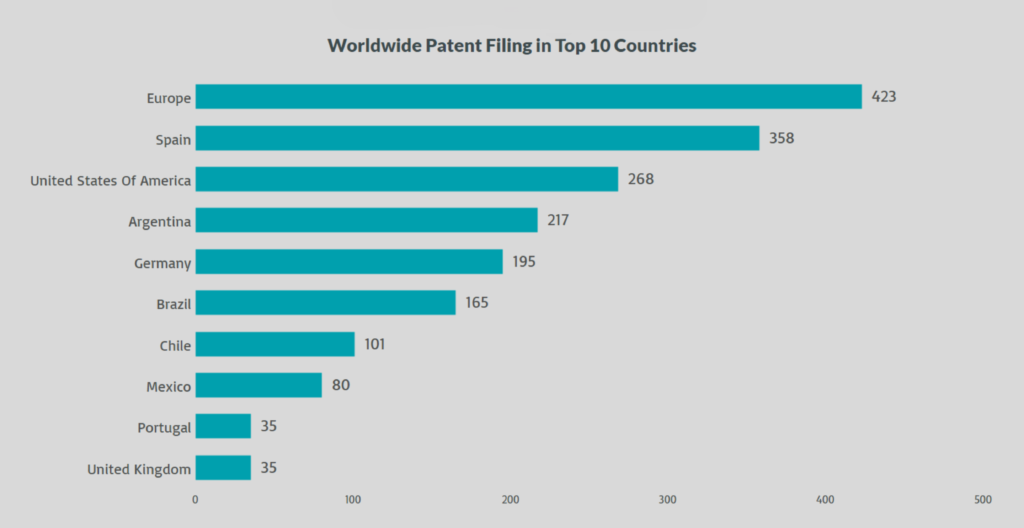
1. Telefónica is headquartered in Madrid, Spain. The multinational telecom company is one of the most significant, with its headquarters in Madrid, Spain. Telefónica provides an extensive range of broadband telecommunication services as well as mobile telephone services for businesses and residential services.
2. In most markets where Spanish and Portuguese are the lingua franca, Telefónica is a key telecom service provider. Generally, this brand is a global player in the telecom industry and the internet and media industry. It has a leading position in the Portuguese/Spanish-speaking market, covering a majority of people.
3. Telefónica was first established as Compañía Telefónica Nacional de España (CTNE) in 1924. Back in the year 1924, the company started with the name Compañía Telefónica Nacional de España. This was done under the control of Primo de Rivera, with New York’s International Telephone and Telegraph Corporation (ITT) being one of its biggest investors.
4. In 1994, Telefónica started offering mobile telephone services. Telefónica owned the largest fixed-line operator in 1994 and launched Movistar (a mobile telephone provider). The company was doing great, so it started incorporating its brands to attain a more consistent appearance. Additionally, Telefónica engaged in a chain of sales, achievements, and joint projects in the early 21st century following the failure of the dot-com bubble.
5. The major telephone operator in Spain as of 1997 was Telefónica. All over Spain, Telefónica was the sole telephone operator in 1997 under the control of the Spanish government after its nationalization in 1945. Until the telecom market liberalization in 1997, Telefónica remained the No. 1 telephone operator in Spain. In addition, Telefónica is one of the biggest global telecom brands in terms of market cap and customer base.
6. Telefónica became a privately owned company in 1999. 1999 was one of the great milestones in this decade as Telefónica became a completely private company. This was an operation that exceeded the most optimistic forecasts and demand for shares, which was over 5.4 times the supply.
Telefónica Usage Statistics
7. Telefónica boasts over 130 million prepaid mobile subscribers all over the world. In the last 14 years, Telefónica’s cellular telephony services worldwide have moved from prepaid to subscription. As of 2023, Telefónica’s total number of mobile prepaid subscribers peaked at 130 million.
8. Telefónica’s fixed-line telephone users are over 26 million worldwide. According to Statista, the number of fixed-line telephone access across the globe has experienced a decrease in the past decade. This was basically because of a modification towards mobile technology, resulting in a total of 26.26 million fixed-line telephone users in 2023.
9. Broadband customers on Telefónica are more than 26 million. Despite Telefónica’s broadband services offered, which include data and internet access, it has experienced earth-shattering development since 2010. According to reports from Statista, Telefónica recorded about 26.8 million broadband connections in 2023 compared to 20 million in 2020. Even though the market appeared to be saturated, the company gained a massive customer base.
10. Telefónica has over 8.5 million subscribers to its television services, with Latin America accounting for the largest market. The company that goes beyond offering telecom services to TV services accounts for about 8,500,000 subscribers. Latin Americans have the most subscribers, making them the largest market.
Telefónica Employee Statistics
11. According to statistics, Telefónica had over 104,142 employees by the end of December 2023, a 0.47% increase over the previous year’s record. In general, the number of employees in Telefónica fell between 2012 and 2023 from 126,073 a decade earlier to 104,142. The country with the largest number of employees in Telefónica was Brazil, with more than 35,500 employees.
12. Women’s underrepresentation harms their pay negotiations, which has a more significant impact on their social standing. This is why Telefónica is constantly working towards achieving gender parity by offering everyone the same opportunities. According to statistics, 38.6% of Telefónica’s entire workforce across the globe is women. Also, approximately 33% of women are members of the Board of Directors/Executives, and around 31.3% of women occupy management positions.
13. Statistics reveal that the male employees account for 61.4% of Telefónica’s workforce.
14. Statistics reveal that among all ethnicities at Telefónica, the most common is Hispanic or Latino, making up about 44% of the company’s workforce.
15. Research data shows that approximately 39% of employees at Telefónica are White.
16. According to research data, only 7% of Telefónica’s employees are either Black or African American.
17. Findings from a research survey show that Asians account for 6% of employees at Telefónica, and about 2.7% have unknown identities.
18. At Telefónica, several employees stay for up to a year or two, while some stay for longer. The average length of employment at Telefónica is 4.4 years.
19. Almost three-quarters of employees at Telefónica speak Spanish.
20. Statistics reveal that Spanish is the common foreign language among Telefónica’s staff. As many as 71% of the company’s employees speak Spanish. This could be tied to the fact that Telefónica is headquartered in Spain and a majority of its employees come from here.
21. The employees at Telefónica speak diverse foreign languages, and one of those languages is Portuguese. The proportion of Portuguese-speaking employees in this organization is 11%.
22. French-speaking Telefónica staff make up about 9% of the entire workforce.
23. One language not commonly spoken by Telefónica staff is German. Statistics reveal that only 3% of the employees speak this language.
24. Generally, employees who are from minority ethnic groups make up a whopping 61% of all Telefónica staff. Also, up to 55% of Telefónica executives are of minority ethnicity. In addition, the most common ethnicity among the minors is Hispanic or Latino.
Telefónica Salary Statistics
Salary range can vary widely depending on countless elements, such as educational qualifications, certifications, skills, and years of experience. The salary varies among Telefónica staff depending on the role, department, and location, with some roles paying higher than others. In this section, we will determine the average estimated annual salary employees at Telefónica earn by job title.
25. There are many roles and positions at Telefónica with different salary ranges. Presently, on average, the estimated annual base salary of an employee at Telefónica is $87,206, which may include additional pay.
26. A Chief Operating Officer at Telefónica earns approximately $291,000 every year on average.
27. The Head of Data Science at Telefónica earns an annual average of $171,000. This may include a base salary and other incentives.
28. Interestingly, data professionals in the computer industry have the highest salaries with average compensation and are highly competitive. The average salary of a Senior Software Engineer at Telefónica is $145,000 yearly.
29. The estimated salary for a Senior Business Development Manager with average experience at Telefónica is $139,000. However, this is not the average salary for this role generally, as these figures are based on an employee survey at Telefónica.
30. According to Glassdoor, the estimated total pay range for a Solutions Architect at Telefónica falls between $116,000 and $174,000 every year. Additionally, the average base salary for this role in this organization is $141,000.
31. A Full-Stack Developer at Telefónica earns $110,000 annually on average.
32. The average salary of a Senior Systems Analyst at Telefónica is $113,000 yearly. However, the salary range for this position in the United States of America falls between $106,208 and $128,260 every year.
33. A Director of Financial Planning & Analysis at Telefónica earns $110,000 per year. Generally, this may vary based on certain factors such as experience, location, certification, skill set, etc.
34. On average, the salary of a Chief Information Officer at Telefónica is $106,000 annually.
35. The average annual salary of a SQL Server Database Administrator at Telefónica is $106,000.
36. The salary range for an engineer is between $86,000 and $150,000 per annum, inclusive of salary base and bonuses. The annual average salary of an Engineer working at Telefónica is $104,000.
37. The average salary of an IT Software Developer at Telefónica is $103,000 per year. This could include bonuses, tips, stock commissions, and other incentives.
38. The annual salary of a Big Data Analyst could be as high as $136,000 and as low as $34,000, but the average is $97,000.
39. The average salary of a Human Resources Business Partner (HRBP) at Telefónica is $90,492 per year. The majority of Human Resources Business Partner salaries currently range between $72,000 and $122,000 based on experience.
40. An average storage software engineer can expect to earn between $56,000 and $62,000, depending on the level of experience. On the contrary, at Telefónica, the average annual earnings for a Storage Engineer are $69,000.
41. The estimated average salary per year for a Financial Analyst at Telefónica is $89,000. Meanwhile, the pay range is from $81,000–$117,000, including other bonuses.
42. The estimated total pay range per year for a Quality Manager at Telefónica, including the salary base and other bonuses, is $87,000–$161,000. On average, a Quality Manager’s base salary at Telefónica is $117,000.
43. One of the least paying jobs at Telefónica is Marketing Specialist, even after factoring in incentives and additional compensations. The average annual income for a Marketing Specialist in this organization is $50,000.
44. At Telefónica, the annual average salary of an Executive Secretary is $45,000.
Telefónica Revenue Statistics
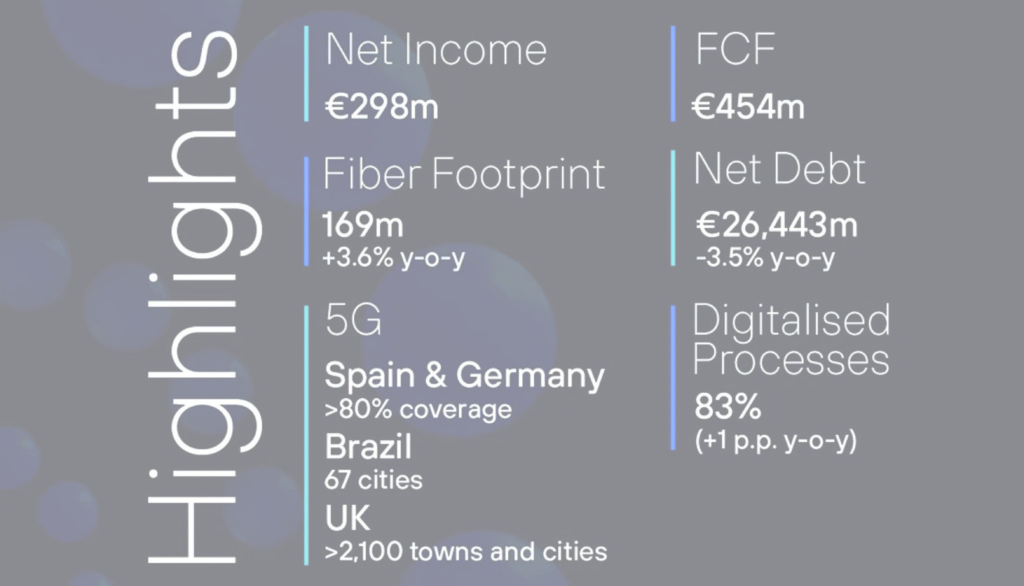
Telefónica has grown in its major markets due to the strength of its operations and the fulfillment of its strategic objectives. Despite global macroeconomic uncertainty, Telefónica continues to implement its plan with the required ambition and determination to complete the operational transformation process.
Telefónica has met all its financial targets for 2023 and is resolutely facing the commitments set out in the GPS strategic plan. This would continue to build a new Telefónica and lead the new digital era, as shown in a revenue increase of 1.6% in 2023. The statistics below will show the company’s revenue history and growth rate in the past few years.
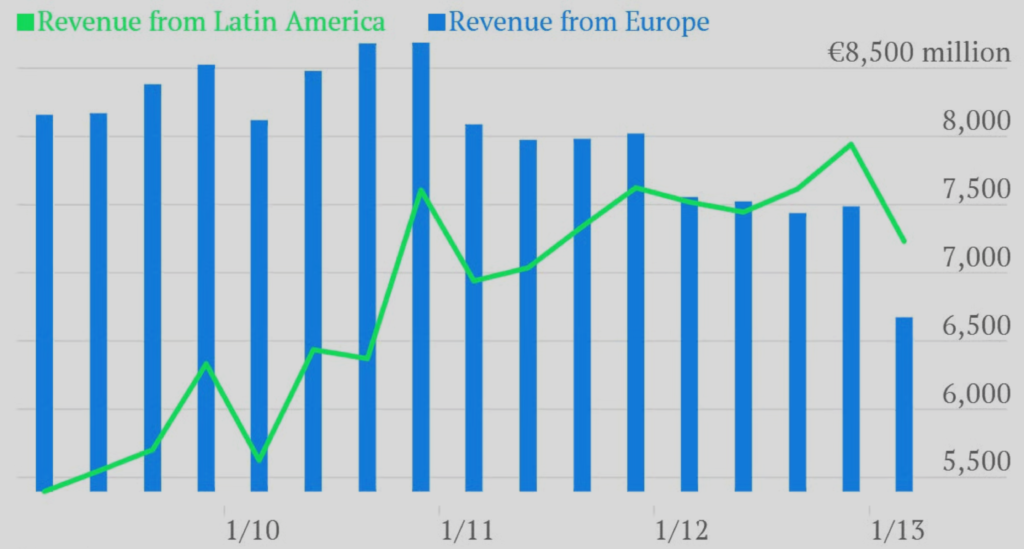
45. Statistics show that despite Telefónica’s decrease in revenue yearly since 2011, it generated over €40.652 billion in revenue in 2023. This year has been outstanding since it started experiencing an overall decline in 2011. The forecast reveals that the company will experience a 1% revenue growth between 2023 and 2026. Consumer revenue is predicted to grow at a Compound Annual Growth Rate of 1.5%, and business divisions will grow by 5% over nine months.
46. Research data from Statista reveals Telefónica’s global revenue in dollars reached $46,469 billion in 2021.
47. In 2023, Telefónica’s earnings increased by nearly 45%, with its revenue target doubled. The company’s revenue increased to 20.17 billion euros in the first half of 2023, an over 3.7% surge from the first half of 2022.
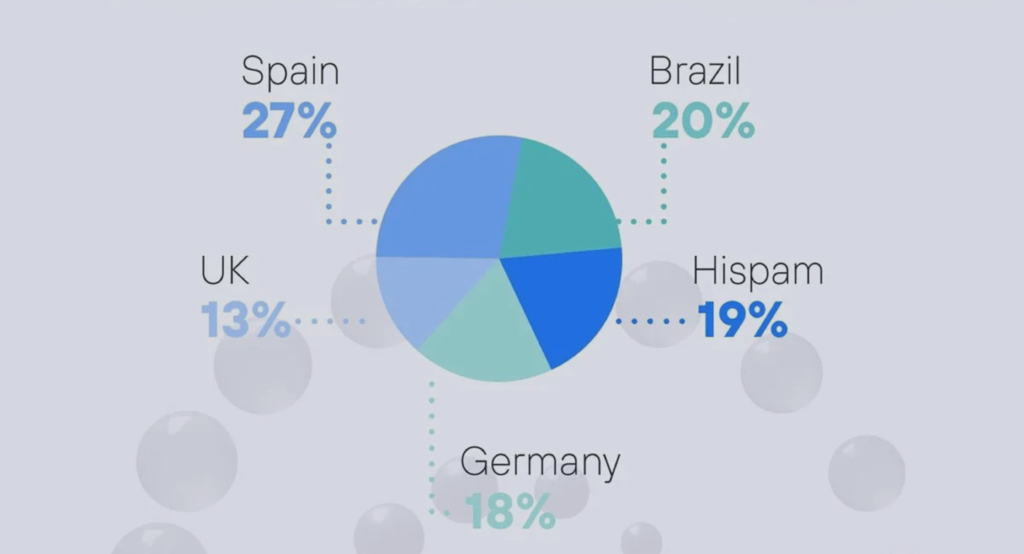
48. As of 2023, 27% of Telefónica’s revenue came from Spain, 19% came from Hispam, 13% from the UK, 18% from Germany, and 20% from Brazil.
49. According to Telefónica’s press release for 2023, it posted revenues of €40.65 billion, indicating a 1.6% increase over the previous year. This was the highest revenue volume since 2020, and interestingly, the B2B consolidated a significant organic revenue growth of 6.3% in a year.
50. In 2020, the global revenue for Telefónica hit $49,206 billion.
51. Statistical data shows that in 2019, Telefónica generated an estimated $54,233 billion in revenue. Apart from market forces, the company’s revenue depends massively on mobile users.
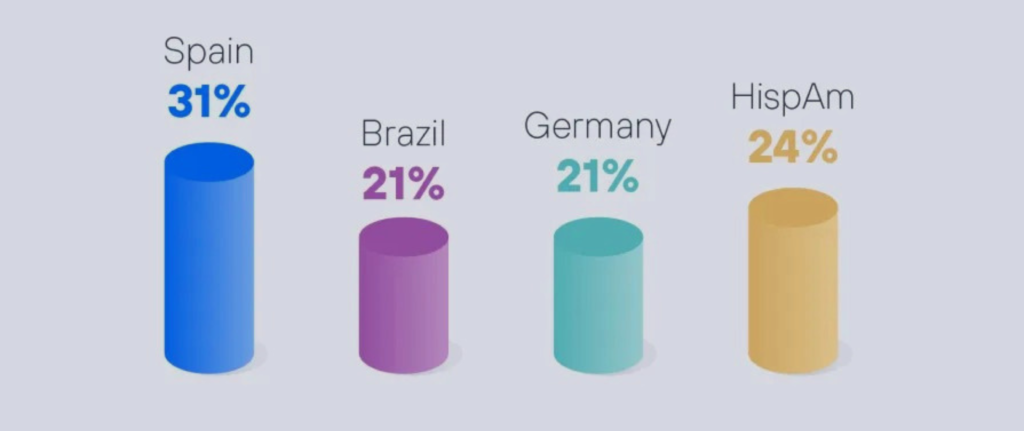
52. As of 2022, Telefónica’s revenue was estimated at €44 billion, and 28% came from Spain, with Latin America being an important market for the company.
53. Telefónica’s annual revenue for 2018 was $57,507 billion.
54. $56,380 billion was the annual revenue for Telefónica in 2017.
55. For 2016, Telefónica had revenue of $53,191 billion.
56. The peak of the company’s global revenue was in 2011, and $52,211 billion was generated as revenue in 2015.
57. In 2014, Telefónica had revenues amounting to over $64.2 billion, with the Eurozone crunch as the reason. In the same year, Spain led the market as the region with the highest revenue.
58. As of 2013, Telefónica’s annual revenue was $76.26 billion.
59. As of 2012, Telefónica recorded an annual revenue of more than $79.47 billion.
60. In 2010, Telefónica saw an annual revenue of over $81 billion.
61. Telefónica’s revenues have doubled since 2000, with about $81.276 billion recorded as revenue in.
62. The company generated revenue of $87,394 billion in 2011.
Telefónica Stock Statistics
63. The one-year target estimate for Telefónica stock is 4.98. This helps determine whether new products are needed and whether profit goals can be reached.
64. Statistics reveal that the market of this company is $24,108 billion as of April 15, 2024.
65. According to GuruFocus Value calculation, Telefónica is most likely to be overvalued. Since the company has a fairly low valuation, its long-term return on equity will probably be below its business growth.
66. From 2019 prices, Telefónica’s shares have fallen in both the MSE and the New York Stock Exchange. Research analysis shows that in the past 5 years, Telefónica has fallen by -49.64% in the New York Stock Exchange. Also, on the Madrid Stock Exchange market, Telefónica’s stock value from 2019 prices has fallen by -47.41%.
67. According to Yahoo Finance, as of April 15, 2024, the 52-week low for Telefónica is 3.72 and an all-time low of 4.53.
Additional Telefónica Stats and Facts
68. Deutsche Telekom, Orange, and Vodafone are Telefónica’s principal European competitors. Similar companies to Telefónica are Telenor Group, BT, Nokia, SoftBank, Deutsche Telekom, Orange, and Vodafone. Orange, which was formerly known as France Télécom, is also a telecom operator and digital service operator. One of Telefónica’s primary European rivals is Deutsche Telekom, one of the world’s leading integrated telecom companies. Vodafone, another Telefónica competitor, prides itself on its networks connecting businesses, government, and other businesses as it provides one of Europe’s largest and fastest-growing 5G networks.
69. Telefónica’s CEO and Executive Chairman is Mr. José Maria Alvarez-Pallete Lopez.
70. The company has a strong presence in approximately 20 countries across Europe and Latin America and operates in over 40 countries.
71. Mr. Angel Vila Boix has been the Chief Operating Officer and Executive Director at Telefónica since 2017. He served as chief financial and strategy officer in 2015.
72. Enrique Blanco is currently serving as the Chief Technology and Information Officer (CTIO) of Telefónica. Enrique holds a Physics degree from the Complutense University of Madrid and a Master’s PDG from IESE. He has been a member of Telefónica’s Executive Committee since 2019, but became CTIO in 2017.
73. Telefónica provides Voice over Internet Protocol (VoIP) services in a few countries. In 2010, the company’s mobile phone business subsidiary, O2, launched a low-cost international calls service for its users. These services are available in Spain, Brazil, Colombia, Argentina, Chile, Peru, and Germany.
74. Many service brands, such as O2, Movistar, and Vivo, are under Telefónica as their parent company. Movistar is a mobile telephone operator launched by Telefónica, operating primarily within the territories of Spanish-speaking communities. O2 is a British telecommunications provider that operates in Germany and the United Kingdom. On the other hand, Vivo is the largest mobile network in Brazil, a subsidiary of Telefónica.
Conclusion
Telefónica is a renowned telecommunications company across the globe that has spread its activities over recent years through its digital business solutions. Some services it offers include mobile and fixed-line services, broadband (data and internet) services, and pay-TV services.
Brands like Movistar, O2, and Vivo were born from Telefónica, which operates in over 40 countries and has a significant presence in 20 countries. Telefónica is still expanding its market, even though it has struggled to maintain revenue growth over the last decade. These statistics show how exceptional Telefónica is in the telecom market through its range of services. These statistics and trends can help other businesses, even outside the telecom industry, triumph in their various sectors.
FAQs
Telefónica was active in around 15 countries at the beginning of the 21st century and had companies operating in 40 countries. However, a few years ago, the company focused on three main markets: Spain, Latin America, and Europe. Interestingly, Latin America accounted for much of the company’s growth.
The average salary for a Telefónica employee is $87,000 per year, which may include an average base salary, additional pay, and other benefits. The salary may vary depending on the location, department, or experience level.
Telefónica boasts over 383 million customers, including mobile, fiber, broadband, cable, and pay-TV customers and subscribers. There are over 130 million prepaid mobile subscribers, 26 million fixed-line telephone users, 26 million broadband customers, and 8.5 million TV subscribers.
It is a global company with a significant presence in 20 countries and operates in over 40 countries. As of 2023, Telefónica posted revenues of €40.652 billion, indicating a 1.6% increase over the previous year, the highest volume since 2020.
This company is well-known as a service provider for cloud computing, IoT solutions, payment services, mobile telephones, broadband services, etc. Telefónica operates through the following brands: Movistar, Vivo, O2, Aura, and Telxius.