
- Starting on September 1, students under 15 years of age in Poland will not be allowed to possess phones at school, including during lunch break.
- Poland also introduced a bill mandating porn sites to conduct privacy-friendly age checks together with biometric data, not just age declarations alone.
- Meta expanded teen content controls globally, while Greece, Spain, and Australia push similar or stricter social media bans.
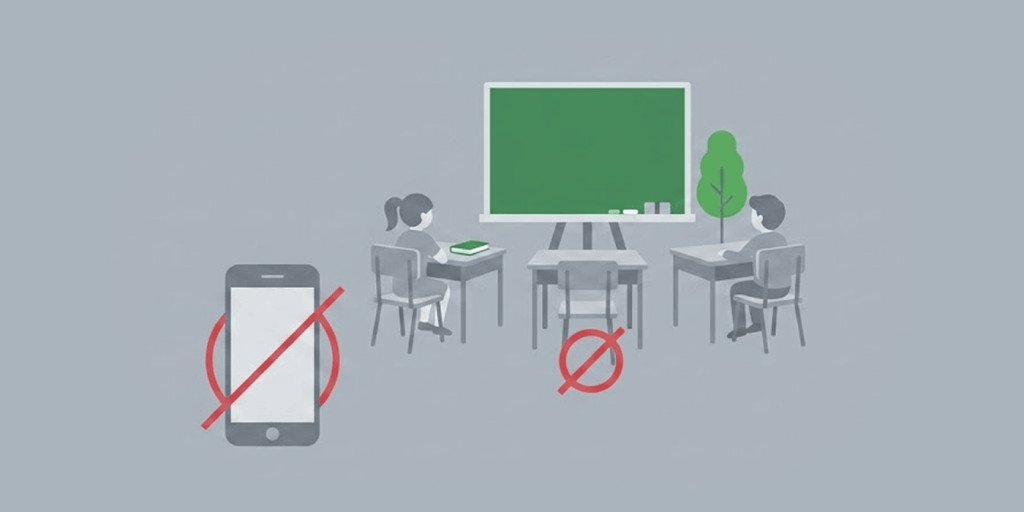
Poland just drew a hard line on kids and screens. The government wants phones out of primary schools completely.
It also plans to lock down access to pornography with real age checks. Prime Minister Donald Tusk called it a fight against a “civilizational problem.”
Details of the Polish School Phone Ban
A new law requires pornographic websites to implement third, party age verification processes that protect users’ privacy instead of just a person checking an affirmative statement or collecting biometric data. That includes lesson time and every single break between classes.
Schools will get a legal reason to create phone deposits. Think of them like coat checks for devices. Teachers and parents finally have a real tool, Tusk said.
“We are convinced that parents and teachers should have such a tool,” he told reporters in Warsaw on June 2. He admitted the ban is not a perfect fix. But he said addiction to phones and the internet has become too serious to ignore.
Education Minister Barbara Nowacka spoke at the same press conference. She actually suggested banning social media for kids under 15 back in February. That idea could set up a clash with big US tech firms.
Porn Sites Face New Age Rules
A separate bill comes from Poland’s minister for digital affairs. It forces porn websites to block children more effectively.
The government said age checks cannot rely on simple declarations. They also banned biometric data and tracking of a user’s online activity. Instead, the system must respect privacy and personal data rules.
Poland is not alone in this – the Netherlands, South Korea, and Italy have put similar laws restricting the use of smartphones in schools. Others are banning social media or thinking about it.
Meta Tightens Teen Controls Globally
On the same day Poland announced its plan, Meta rolled out bigger protections. The company expanded its 13+ content settings for teen accounts on Instagram, Facebook, and Messenger.
These controls first launched in select countries back in October 2025. Now they apply worldwide. The settings filter out inappropriate content by default for teenage users.
Later this year, Meta will add a “limited content” setting on Facebook and Messenger. Instagram is currently testing a method to prevent teenagers from receiving similar types of content multiple times. The goal? To provide a more balanced feed for them.
A Global Wave of Restrictions
Many countries are taking action to curb access to social media for children. Australia was the first to make this move, banning people under the age of 16 from accessing social media. Greece has made a proposal for a ban on social media for kids below 15. A few others –Spain, UK, France, Norway, Denmark, Malaysia– are either weighing the odds and working towards introducing similar rules.
Greece’s Prime Minister, Kyriakos Mitsotakis, when he announced the social media ban for kids under 15, urged the whole of the European Union to follow suit. The Greek rule takes effect in January 2027.
Spain’s Prime Minister Pedro Sanchez called social media a “digital wild west” at the World Government Summit in Dubai. He said platforms are run by companies “wealthier and more powerful than many nations.”
Sanchez promised real age verification, not just check boxes. He also said CEOs will face criminal charges for failing to remove illegal or hate-filled content. Spain plans to criminalize algorithms that amplify illegal material too.
The EU is also pressuring Meta on privacy issues. The European Union has urged Meta to alleviate consumer concerns about its “Pay for Privacy” subscription models, adding to the regulatory challenges facing the company.
Elon Musk fired back on X, calling Sanchez a “tyrant and traitor to the people of Spain.” Musk previously called Australia’s government “fascists” over its social media ban.
While tech companies would point out that the focus of concern regarding the banning of devices for children should be the types of activities they perform on them, rather than merely prohibiting them, many governments throughout Europe and all over the world are moving quickly to take action on the issues regarding children and their use of cellular phones and social media.