
- Internet Protocol Television is rapidly replacing traditional cable and satellite TV, giving viewers on-demand control over what they watch and when they watch it.
- IPTV slashes monthly entertainment costs while unlocking a broader library of content from live sports and international news to premium movies, all without multiple subscriptions.
- Multi-device support and advanced features like pause, rewind, and recording are pushing IPTV from a niche option to the mainstream choice for modern audiences.
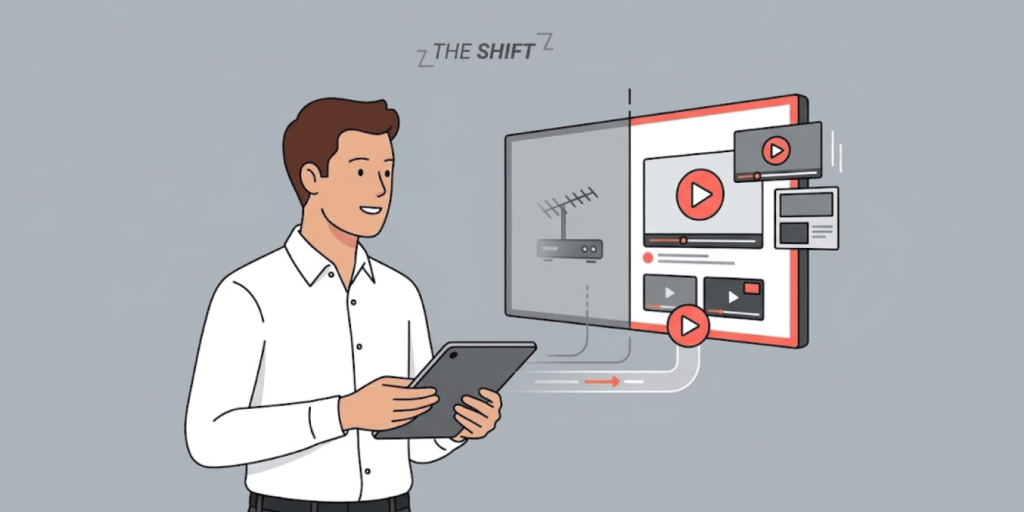
Cable television is losing the battle for living rooms. Across the globe, viewers are cutting the cord and turning to Internet Protocol Television, better known as IPTV, and the numbers make it clear this is no passing trend.
IPTV streams live channels, movies, and on-demand content directly over the internet, handing control back to the viewer in a way traditional broadcasting never could. The shift is happening fast, and it is reshaping how the world watches television.
IPTV Gives Viewers What Cable Never Could
Traditional broadcasting runs on fixed schedules. Viewers show up when the network says so or they miss it. IPTV throws that model out entirely. Users choose what they want to watch and when they want to watch it, turning passive viewing into an active, personalized experience.
That flexibility is exactly what modern audiences want. IPTV does not just stream content. It hands the remote back to the viewer. Pause, rewind, record, replay. Features that cable companies have charged extra for, or never offered at all, come built into most IPTV platforms as standard.
Beyond convenience, IPTV also delivers variety at a scale cable packages rarely match. Sports, international programming, news, and premium films all sit inside a single service. Viewers who once juggled three or four separate subscriptions to cover their interests are consolidating everything into one platform; and paying less for it.
The cost difference alone is driving millions of the switches. Major streaming platforms continue to invest heavily in original content to keep viewers engaged, Netflix recently premiered the first 4 minutes of ‘Twilight of the Gods’ as a preview, showcasing how streaming services are competing for audience attention with high-quality original productions, further accelerating the shift away from traditional cable television.
Many users report cutting their monthly entertainment bills significantly after moving to IPTV, without sacrificing access to the content they actually care about.
One Service, Every Screen
IPTV’s biggest structural advantage over cable is its device compatibility. A cable subscription ties viewers to a set-top box in one room. IPTV follows the viewer everywhere. Smart TVs, smartphones, tablets, laptops; IPTV services run across all of them, giving users uninterrupted access to their content whether they are at home, commuting, or traveling.
This cross-device flexibility has made IPTV especially popular among younger audiences who rarely watch content on a single screen. For this generation, the idea of being locked to a living room television feels outdated. IPTV fits the way they already live.
Reliable providers have built their platforms around this reality. Services like IPTV now offer comprehensive channel packages, high-quality streaming, and consistent performance; provided users have stable internet connectivity. The streaming experience has matured well past its early, buffering-prone days. Today, a solid internet connection delivers viewing that rivals traditional broadcast quality.
The Infrastructure is Catching Up
Security and reliability remain the two questions most new IPTV users ask. Reputable providers prioritize data protection and maintain stable servers to ensure streaming stays uninterrupted. Choosing a trusted platform makes a measurable difference in user experience; both in content quality and in service dependability.
The broader picture looks even more promising. Internet infrastructure is improving rapidly worldwide. Faster speeds, wider 5G coverage, and expanding broadband access are removing the last barriers that once made IPTV a frustrating experience for users with slower connections. As that infrastructure improves, IPTV’s audience will only grow.
The technology is no longer chasing cable; it has already pulled ahead. IPTV offers more content, more flexibility, more devices, and lower costs. Traditional broadcasters are scrambling to respond, launching their own streaming arms and on-demand services in a bid to stay relevant.
But the momentum belongs to IPTV. Viewers have already made their choice. The only question left for cable is how much longer it can hold on.