
- Pixel users report widespread eSIM connectivity issues, with some needing frequent device restarts to restore network access while others find their eSIM has stopped working entirely.
- Flashing Android 17 beta firmware manually likely triggers the problems, as most affected users sideloaded the software rather than installing it through official over-the-air updates.
- Google acknowledges the issues through multiple tracker threads and is working on fixes. The problems are most common on Pixel 9 and Pixel 10 series devices.
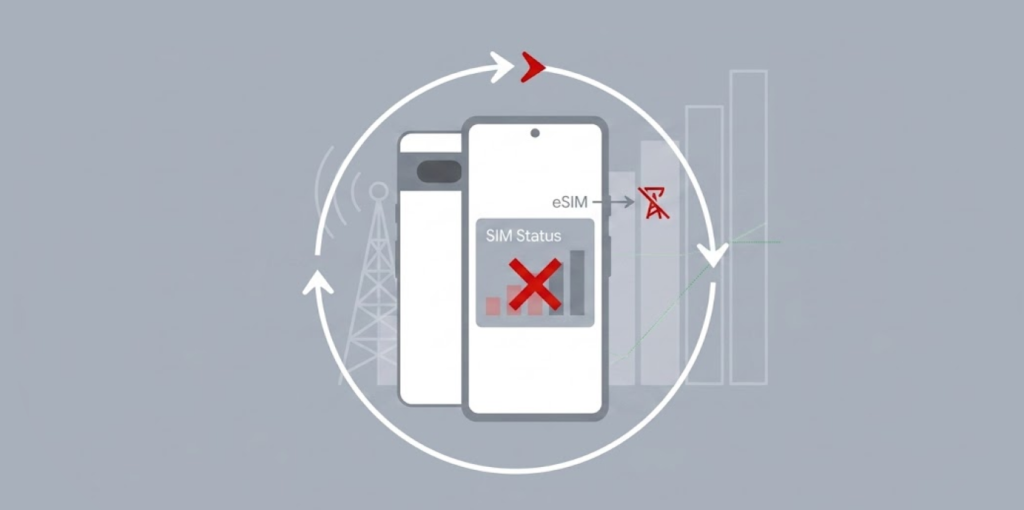
Google Pixel owners have started reporting widespread issues with the embedded SIM functionality on their devices. Many users claim their eSIM struggles to maintain network connections, forcing them to restart their phones for temporary relief.
Some Pixel owners state their eSIM has stopped working entirely since the problems began. Others report they cannot transfer their phone numbers to different carriers or services. The issues appear varied but affect a growing number of users across different Pixel models.
Unlike previous Pixel problems tied to monthly security patches, this eSIM connectivity issue seems unrelated to any specific software update. Google has acknowledged the complaints through multiple issue tracker threads – the company says it is actively working on fixes.
Flashing Android 17 Beta Software Likely Triggers the eSIM Glitches
Google has not yet provided an official explanation for what causes these eSIM problems. However, Android Authority reports that the issues may stem from users manually flashing new firmware, rather than installing over-the-air updates.
Multiple affected users have something in common. They all flashed the newest Android 17 beta software onto their devices. This pattern strongly suggests that sideloading the beta firmware rather than receiving it through official OTA channels could be triggering the eSIM instability.
The exact problems vary significantly from one user to another. Some people restart their devices every few days to restore connectivity. Others find their eSIM fails to work at all. A different group reports being unable to port their phone numbers to other mobile services.
All these issues seem most common on Google’s Pixel 9 and Pixel 10 series devices. Also, older Pixel models may experience similar problems, but the majority of user reports come from owners of the two newest generations.
Google Pixel Line Faces String of Technical Problems in Recent Months
Pixel users have grown quite familiar with various technical headaches over the past several months. Boot loop bugs caused devices to restart endlessly without reaching the home screen. Battery drain problems left users scrambling for chargers by midday.
Now eSIM connectivity issues join this growing list of Pixel troubles. According to users’ reports, many Pixel phone users do not experience any of these issues, but a notable number of users are currently experiencing these or related issues firsthand.
The silver lining for affected users is that Google acknowledges the problem. The company has responded through multiple issue tracker threads and says it is working on solutions. Google has not provided a timeline for when fixes might arrive.
For users who rely heavily on mobile connectivity, these eSIM problems create major inconveniences. Restarting a phone every few days might sound minor, but for business travelers or people in areas with spotty coverage, losing network access at critical moments can cause serious disruption.
How Pixel Users Can Manage eSIM Problems While Waiting for Fixes
For users experiencing these issues, there are a number of temporary solutions available. Most users report that restarting their phone gives them connectivity back for a period of time (usually a few days). Some have even found that putting the phone into airplane mode for a few minutes before taking it out of that mode helps restore connectivity for several days as well.
For users whose eSIM has stopped working completely, contacting their mobile carrier may help. Carriers can issue new eSIM profiles that might resolve activation issues. However, some users report being unable to transfer numbers even after getting new profiles from their carriers.
For privacy-focused users who rely on anonymous communication, eSIM issues can be particularly disruptive. Our guide on how to call and text anonymously offers alternative methods for maintaining private communications when traditional mobile connectivity is unreliable.
Users who flashed the Android 17 beta manually should consider reverting to stable software. Rolling back to the official public release may eliminate the eSIM problems, though this process requires wiping the device completely.
Google will likely include a fix in an upcoming software update. The company has not specified whether the fix will arrive in a monthly security patch or a dedicated hotfix. Pixel owners should watch for system update notifications and install them as soon as they become available.