
- Anthropic accused Alibaba of conducting the largest known distillation attack, generating 28.8 million exchanges through 25,000 fake accounts to steal Claude’s advanced capabilities.
- The attack allowed Alibaba to replicate US AI capabilities without spending billions on research and development, potentially creating unsafe AI systems lacking proper guardrails.
- US senators are moving to introduce legislation that would banned Chinese firms found improperly accessing US AI model outputs for training competing systems.
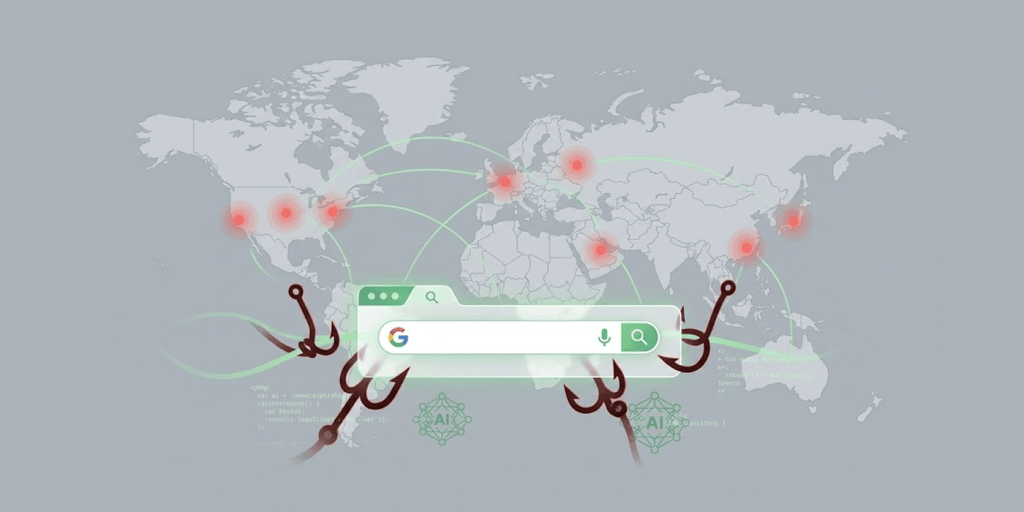
Anthropic has filed a formal complaint against Chinese internet company Alibaba over an alleged scheme to steal from its Claude AI systems. The American firm calls this the biggest known case of model theft in the AI industry.
The operation took place between late April and early June this year. During that period, attackers generated over 28.8 million queries to Claude, they used roughly twenty-five thousand fake user accounts. They focused on Claude’s most valuable features, especially its abilities in coding and complex reasoning.
The attackers used a method called adversarial distillation, this technique involves training a smaller AI model on responses from a larger, more powerful one. It lets developers copy advanced capabilities without spending billions on original research and development.
How the Distillation Attack Worked
The attackers set up thousands of phony accounts to gain access to Anthropic’s Claude models. They then flooded the system with queries and saved all the responses. These outputs became training material for Alibaba’s own AI development.
Distillation is a standard research practice when done with permission. However, Anthropic claims Alibaba carried out this operation without any authorization. The company warns that this approach lets Chinese labs copy US AI advancements without paying the massive costs of building models from scratch.
The sophistication of such attacks mirrors other criminal innovations, security researchers have identified a phishing kit specifically designed to target major cryptocurrency wallets, highlighting the growing professionalism of cybercriminal operations.
Anthropic also cautioned that AI systems created through this method often lack proper safety features. Unsafe AI models pose a far greater threat than merely stealing intellectual property and may be misused in a variety of harmful ways if there are no adequate safeguards.
The company described these distillation attacks as systematic and carried out on an industrial scale. The goal is to harvest US AI capabilities and present them as homegrown Chinese innovations.
Previous Attacks and Escalating US-China AI Tensions
Earlier this year, Anthropic received a directive from the Trump administration regarding access to its newest products, Fable 5 and Mythos 5. The directive prohibits individuals who do not hold US citizenship (non-citizens) from utilizing these products outside of the country, as well as employees and contractors of companies that are based outside of the US.
This technology-related matter is part of a much larger and continuing battle between China and the United States for superiority in the artificial intelligence (AI) business. The US has raised concerns about the ability of Chinese businesses to discreetly obtain capabilities related to AI by accessing AI models produced by companies in the US. Anthropic, OpenAI and Google are now sharing about distillation attempts that violate their respective terms and conditions.
The Trump administration took initial steps on this issue in April this year. A White House memo indicated the US would help crack down on Chinese exploitation of US model outputs. The Pentagon also added Alibaba to its list of Chinese military companies this month.
US lawmakers are moving to address the issue legislatively. Senators Andy Kim and Bill Hagerty are introducing an amendment to banned or punish Chinese firms found improperly retrieving AI model outputs of US companies.
The timing follows Anthropic’s earlier accusations against DeepSeek, Moonshot AI, and MiniMax in February, which allegedly used over 24,000 fraudulent accounts to prompt Claude more than 16 million times.
Alibaba Remains Silent on Allegations
At the time of writing, Alibaba has not issued any public response to the accusations, the company has stayed quiet since Anthropic made its claims public.
The dispute highlights growing tensions between American AI developers and Chinese tech firms. As AI capabilities become more valuable, protecting intellectual property has become a national security priority.
Anthropic sent its complaint to Senate Banking Committee leaders Tim Scott and Elizabeth Warren. The case adds to a larger pattern of friction between the US and China over technology leadership.