
- Proton will re-interview staff members to assess how they use artificial intelligence tools in daily work.
- The leaked internal email warns that failing to use or learn these automated systems could cause job loss.
- Chief Executive Officer Andy Yen leads the company-wide initiative to push faster software automation across all departments.
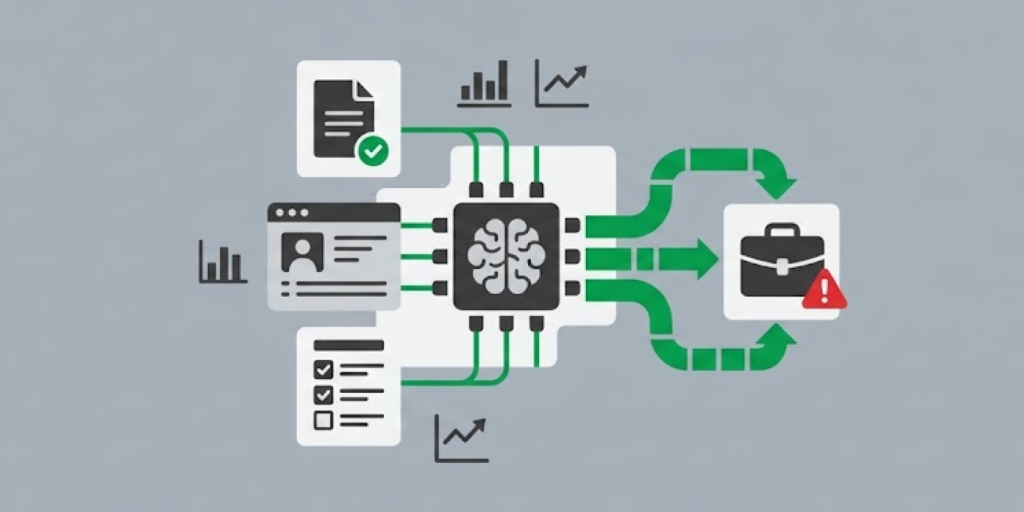
Proton, the organization behind many privacy services including ProtonMail, has in its recent internal communication notified its staff regarding upcoming employee assessments. The management conveyed this information to employees of its plan to conduct detailed interviews of employees to know how they integrate AI tools in their work.
The message reveals that employees who fail to learn how to use the latest automation technology may have to bear the brunt of their choice. Investigative reporting from 404 Media brought the company message to light after obtaining leaked copies of the internal corporate update.
The management has indicated in its communication that the following assessments will play an important role for the selected employees. This means that employees in various technical and administrative departments must undergo the formal interviews. This move will help to find out to what extent they are able to use automated software.
Leaked Corporate Message with Timeline for Interviews
The corporate message contains a detailed plan for conducting interviews for workers in the organization. Management plans to hold the first round of staff assessment between November 4 and November 11.
During this week-long assessment period, specialized interviewers will assess the way workers go about their day-to-day duties with the help of automated solutions. More importantly, management has confirmed that those evaluations may lead to changes. This will affect future staffing choices, jobs descriptions, plus employment status in the workplace directly.
To ensure unbiased evaluations, Proton brought in interviewers from outside the reporting structure of each participant. The managers selected these people from a group of team managers who possess knowledge in the field of artificial intelligence.
According to the internal announcement, not every worker will pass through evaluation at the first stage. Nevertheless, the results will dictate whether or not workers will continue to perform in their existing positions at Proton.
Corporate Strategy and Executive Push for AI Integration
This aggressive evaluation plan reflects a broader strategic pivot directed by Proton Chief Executive Officer Andy Yen. Executive leadership seeks to embed automated technologies deeply into the core privacy software of the firm and customer support operations.
Prior to announcing general staff re-interviews, Chief Executive Officer Andy Yen personally conducted technical interviews. This involved more than 40 senior leaders across the engineering and product development divisions.
The executive conversation has set the stage for the introduction of robotics all across the company. Proton recently introduced Lumo, an AI assistant for client interactions.
In contrast, Anthropic has restricted live internet access during AI evaluations after its models displayed rogue behavior, highlighting the safety challenges companies face as they expand their use of AI.
As an outcome, it seems that the firm officials look at implementing artificial intelligence as an obligatory rather than an optional skill in contemporary technology. Company leaders expect all staff members to leverage machine learning models to boost overall daily output.
Broader Workplace Trends and Shifting Employment Standards
The situation at Proton highlights an emerging trend where major technology firms tie job security directly to digital tool usage. Modern enterprises increasingly view machine learning proficiency as a mandatory baseline skill for certain categories. These include software developers, content writers, & customer support agents.
Certainly, companies are now measuring the productivity of staff by assessing their ability to leverage technology for faster project turnover times.
According to workplace analysts, tech companies are shifting operations to favor automation. Also, they implement new automated workflows and processes instead of manual ones.
Therefore, software engineers & administrative staff members have to adapt to the new environment. Further, they have to learn to keep pace with the new demands of the corporate world. This means that staff members must be ready to continually update their knowledge plus skills as companies evolve.
In addition, those who prefer to stick with the old ways of doing things & resist learning the new digital tools and processes will lose out. They will find themselves replaced as organizations switch from manual to automated processes. Consequently, tech workers across the global industry face growing pressure to demonstrate practical machine learning skills during routine performance reviews.
Future Outlook for Proton Workers and Industry Precedents
As the scheduled evaluation dates approach, Proton staff members must prepare detailed demonstrations of their daily software usage. Evaluators will submit formal scoring sheets to executive managers, who will then decide on role adjustments or contract terminations.
Meanwhile, industry observers monitor the situation closely to see how many positions change following the November assessment window.
The implementation of this strategy by the company creates a remarkable example for the firms in this niche that also seek to gain from the digital transformation. Various businesses in the technology market may adopt this evaluation mechanism to promote their human adoption of innovations.
Lastly, the renewed interviews represent a landmark event. It exemplifies the environment in which the readiness of employees to work with artificial intelligence has become the decisive factor of their retention in the current digital economy.