
- Fraudsters are increasingly using fake job offers to target cryptocurrency professionals and job seekers.
- Community members say attackers now disguise malware campaigns as legitimate recruitment processes.
- Security experts urge candidates to verify employers and avoid running unknown software during interviews.
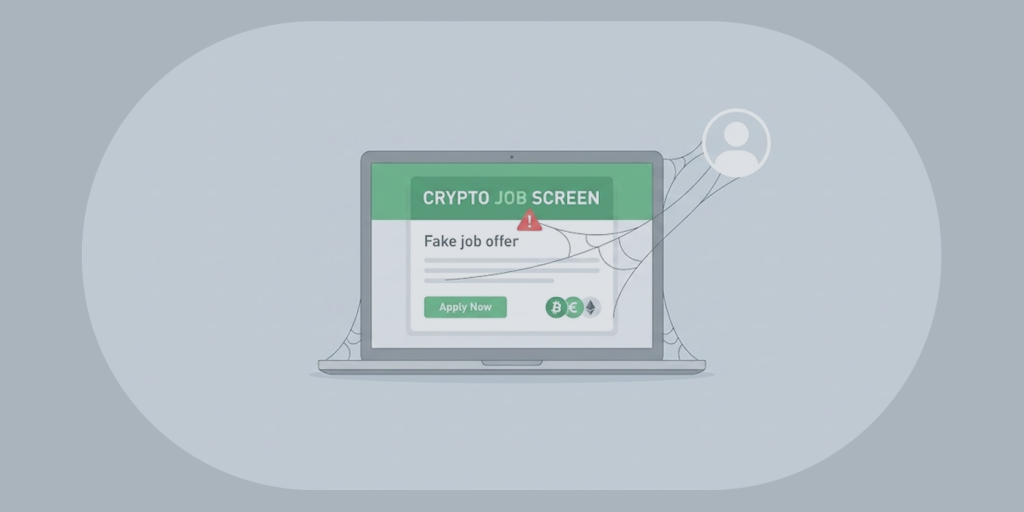
Cybercriminals are increasingly disguising malware campaigns as cryptocurrency job opportunities, targeting job seekers with fake recruitment processes designed to steal cryptocurrency wallets, passwords, and sensitive personal information.
The warning emerged after Cointelegraph highlighted a growing trend in which scammers pose as recruiters and hiring managers, luring candidates into downloading malicious software under the guise of interview tools, technical assessments, or onboarding applications.
The tactic exploits strong demand for crypto jobs and applicants’ willingness to engage with unfamiliar companies during hiring.
Community Raises Alarm Over Recruitment-Based Attacks
Cryptocurrency community members have raised concerns after reports of a surge in fake recruitment campaigns targeting digital asset professionals.
The discussion grew on X after warnings about fraudulent hiring emails appearing to come from legitimate employers circulated. One example featured a recruitment message for a “Crypto Ecosystem Analyst” role at Blockchain Learning.
The email told recipients recruiters had reviewed their profile and asked for salary expectations, remote work availability, experience, and possible start dates before an introductory call.
At first glance, the message appeared legitimate. Cybersecurity observers warned attackers increasingly use such messages as the first step in malware and credential theft campaigns targeting crypto users.
Industry participants quickly shared their concerns, noting that cybercriminals continue to refine social engineering tactics to gain access to valuable accounts, wallets, and corporate systems.
Crypto Community Shares Concerns
Several X users reacted to the warning by highlighting the risks associated with modern recruitment scams.
TheLaddersResearch mocked the growing sophistication of these schemes, joking that scammers might eventually request a victim’s seed phrase as a way to “confirm experience.” The remark reflected wider concerns about attackers exploiting trust to gain access to digital assets. The National Cryptocurrency Association said these scams are increasing and stressed the need for public awareness.
Community member eightlends expressed frustration over ongoing fraud, saying evolving scams have made people skeptical of most online interactions. Crypto commentator Kozei urged job seekers to thoroughly verify employers before downloading software, opening files, or using recruitment tools.
Others pointed to an evolution in attacker behavior. According to igbaisaacA, recruitment scams are not a new phenomenon, but cybercriminals have changed the bait they use. He noted that attackers previously relied on invoices and email attachments, whereas many now disguise their operations as job interviews and hiring opportunities.
He added that professionals working in cryptocurrency have become particularly attractive targets because of their proximity to digital assets, exchanges, and financial platforms.
Attackers are also evolving their phishing techniques. AI is making phishing emails far more effective at stealing credentials, demonstrating the adaptability of cybercriminals.
Experts Urge Caution During Hiring Processes
Aditya Chotaliya issued a strong warning, saying fake recruiter operations are increasingly common in the crypto job market.
According to him, suspicious requests often follow a familiar pattern. Candidates are asked to download a special interview application or run a test repository on their local machine. He stressed that reputable companies generally do not require applicants to execute unknown code on their primary devices during the hiring process.
Reports suggest threat actors are exploiting the crypto industry’s growing workforce and remote hiring culture. Security observers warn that successful attacks can expose sensitive credentials, compromise digital wallets, and provide access to confidential business information.
Experts advise job seekers to verify recruiters, research employers, and avoid unverified software during interviews as cybercriminals adapt. For many in the crypto sector, a promising job opportunity may be the first step in a planned cyberattack.