
- Free VPNs and streaming apps often rent out your home network without clear consent, turning your connection into a residential proxy for strangers.
- Criminals use these proxies to hide their activities in normal consumer traffic, which can slow your internet and get your IP flagged for fraud.
- Run a software audit, use protective DNS, and check your IP’s risk profile to protect your network from being abused by shady apps.
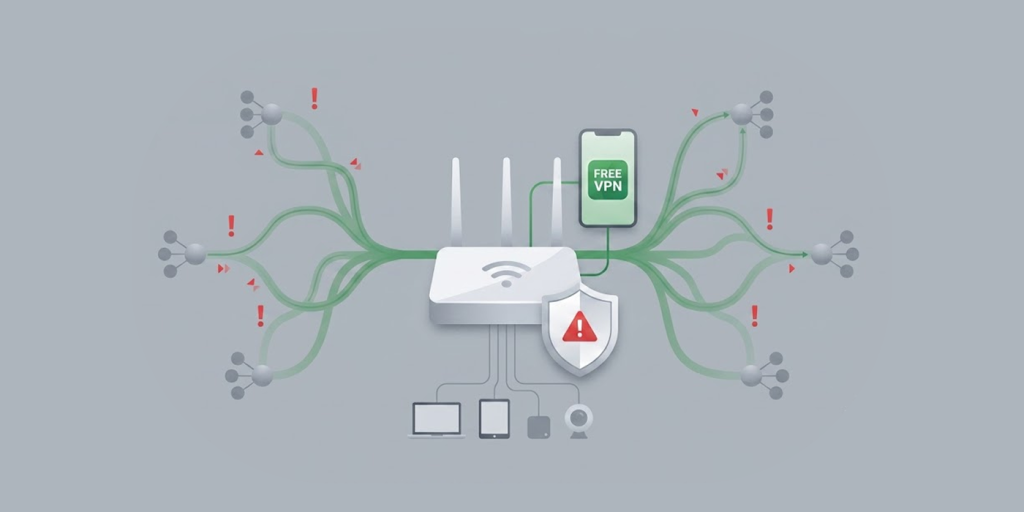
Free apps can cost you more than you think. Popular VPNs, streaming services, and even productivity tools may be secretly renting out your internet connection to strangers.
According to Infoblox threat researchers, more than sixty-five percent of their cloud clients made DNS lookups to residential proxy websites throughout 2026. Those lookups happen over 500 billion times per month, the traffic often comes from unsuspecting users who have no idea their network is being used.
The practice involves something called residential proxies. These services route other people’s internet traffic through your home network. Some proxy providers are above board, but plenty of them come from questionable places. There is constant and enormous demand for these clean residential proxies.
How the Scheme Works and Why It’s Dangerous
Residential proxies do not have the same operational process as a VPN or Tor. With a VPN you have access to a company’s servers to route your traffic, while Tor allows for routing through volunteer nodes. But residential proxies use real home networks. They turn your router, phone, or smart TV into a relay point.
The scary part is consent. A lot of users do not knowingly sign up for this. Others hide the permission inside pages of fine print that nobody reads. Users end up helping with fraud, data scraping, or even streaming piracy without knowing it.
This setup creates real problems for victims. Your internet slows down because strangers are using your connection. Your IP address could get flagged as suspicious, and if someone uses your network for illegal activities, you might face legal trouble. Showing that you were just a middleman can take a lot of time and effort.
Criminals like residential proxies because the traffic looks normal. It blends in with regular consumer activity. Datacenter IPs are easy to spot and block. Home networks are trustworthy. That makes them perfect for hiding malicious activity.
The Hidden Costs of Free Services
The old saying is true. When you are not paying for the product, then you are likely the product. Many free apps make money by selling access to your network. They don’t care what the buyers do with it.
Users suffer in several ways. First, their internet gets slower. Second, their IP address might get banned from certain sites. Some people have been flagged for fraud because of traffic coming from their network. Clearing your name takes time and effort.
The risk isn’t just theoretical. Security researchers have documented widespread abuse. Residential proxies serve criminals in all kinds of shady activities. Fraudsters use them to make fake accounts. Scrapers use them to bypass security measures. Content pirates stream video content through these private proxies as well.
Security researchers are also uncovering risks at the telecommunications level, including a major 5G baseband flaw that could expose mobile users to sophisticated attacks.
The companies supplying proxy services usually operate in a legal grey area. They claim they’re providing legitimate service. But they rarely check what their customers do with their products. The combination of anonymity and low cost fosters bad actors taking advantage of the service.
How to Protect Yourself
Avoiding this issue isn’t always easy, but there are steps you can take. First, do a software audit by reviewing every installed application on your devices to see what you really trust versus what you don’t.
Be careful with free VPNs, cheap IoT devices, streaming services, and browser extensions as these types of software are often a means to malicious attacks. In addition, if the app you use provides a lot of service for free, you should question how the business model makes money. The answer will likely provide you with additional ‘red flags’.
A good router can also help. Some allow you to block suspicious traffic. Protective DNS services can help you monitor your network for signs of abuse, thus providing an additional level of protection against unwanted presence on your network.
You can also look up your IP address to see if it has a bad reputation. There are a number of free services or websites that will allow you to do so. If you find something wrong, you can take action, change passwords, remove suspicious apps, and contact your ISP if needed.
The major part is awareness. Understanding how residential proxies work is the starting point. Once you know the danger, you can begin to protect yourself from it. If you allow these free applications to facilitate other criminal activity using your network, you have put yourself at risk.