
- Meta is expanding its AI age-checking tool worldwide to find teens who sign up with adult birth dates.
- The company says millions more Instagram teens will now get Teen Account protections.
- Some users on X questioned the move, while Meta plans similar checks for Threads later this year.
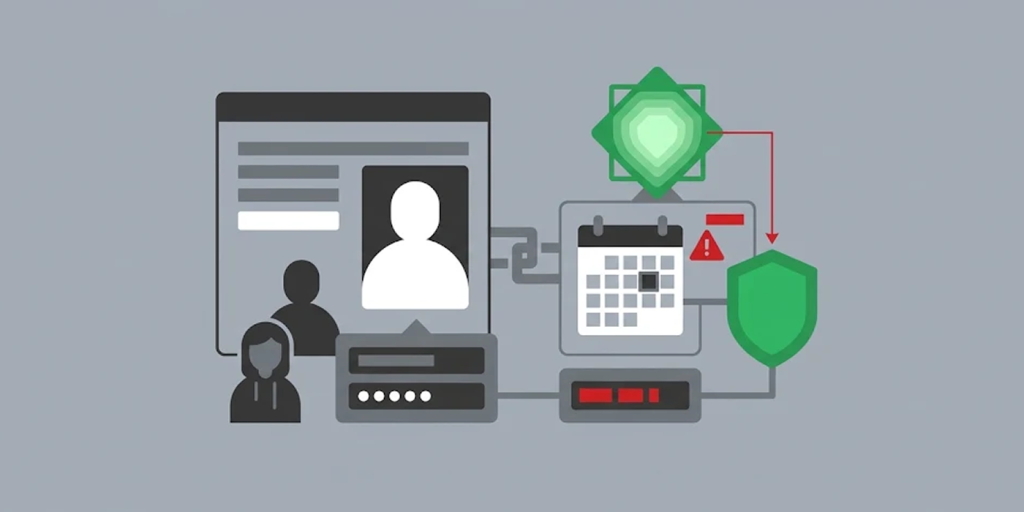
Meta is expanding its AI age-checking tool to users around the world. The tool looks for teenagers, even when they sign up with an adult birth date. The move has drawn mixed reactions online. Some users now question the growing role of AI in watching social media accounts.
Meta Brings Teen Account Protections to Millions More Users
Meta is taking its push to find underage users a step further. The company is rolling out its AI-powered age-checking system across the globe. The tool tries to spot people between 13 and 17 years old. It works even when those people enter a birth date that makes them look like adults.
Meta shared the plan in an announcement on November 9, 2026. The company said the expansion will bring millions more teenagers on Instagram under Teen Account protections. When the system suspects a teenager owns an account, it can act automatically.
It moves that user into the restricted category. Meta does not need to rely fully on the birth date given at sign-up. In simple terms, the system studies an account and estimates the owner’s age. If the estimate points to a teenager, Meta can apply the Teen Account limits.
Teen Accounts come with extra safety steps. They limit who can contact the user. They also set limits on the content teens can see. Another control covers the time teens spend on each platform. The accounts also use stricter privacy settings.
Meta designed them to give teenagers a more controlled social media experience. Each step targets a different part of how teens use social media: contact, content, time, and privacy.
Meta says the technology is expanding worldwide on Instagram. The rollout on Facebook is still continuing. The company also plans to bring similar age-estimation tools to Threads around the world later this year.
Meta Adds Profile Clues and Apple’s Age Signal to Its Checks
The expansion raises a basic question. How do social media platforms know whether users tell the truth about their age? Meta says its AI finds accounts that may belong to teenagers. This includes accounts with adult birth dates.
Meta therefore runs two kinds of AI checks. One searches for teenagers between 13 and 17. The other searches for children under 13. The second kind uses clues from profiles, including posts, comments, biographies, and captions. Meta gave more detail on this work in a May post. The company said its detection can spot clues like birthday celebrations and mentions of school grades.
Meta also added visual analysis to find signs that an account may belong to a child. The company clarified that this visual analysis is not facial recognition. The latest announcement then adds a new source of age data in Australia. That source is Apple’s age-range signal. An age range is a group of years, not an exact birth date.
Here is how the Apple signal works. When parents set up an iPhone for a teenager, Apple’s system can assign an age range. Later, the teenager may download an app. At that point, Apple can share the range with the app’s developer. This gives Meta age information that comes from the parents’ phone setup instead of the app itself. It helps platforms such as Meta check whether a user meets their age rules.
Meta says the approach offers another way to understand a user’s age. It does not depend only on details typed in during account sign-up.
Users on X React to Meta’s Expanding Age Checks
The announcement drew reactions on X. Four users shared their views, and each one reacted in a different way. Some users questioned automated age checks. Others questioned Meta’s growing role in deciding who people are online.
Anthony Lee Photography (@anythinggoespic) asked why people keep using Meta’s platforms at all. In his post, he said users could simply stop using the company’s products. He explained why he deleted Instagram. Much of the photography content there now centers on creators who promote costly gear. He still has Facebook but barely uses it.
Another user, Cormoran (@CormoranV), shared a short but critical reaction. According to his post, people got a cyberpunk dystopia without any of the cool features. EatDixonDye (@Skippy_Tielle) sounded equally unimpressed. According to that post, the future feels awful.
Raven (@heyraven_ai) took a funny approach instead. Raven joked about being an AI. In the post, Meta is about to ask for a launch date to get guardian approval. These comments show individual reactions, not a wider survey of public opinion. Still, they point to concerns about the rising use of AI to monitor online activity.
Meta presents the expansion as a way to improve protection for younger users. However, the development also raises questions about accuracy and privacy. These concerns are part of a wider debate over Meta’s data practices and user choices.
The European Union has also urged Meta to address consumer concerns about its “Pay for Privacy” models, as discussed in our report on EU concerns over Meta’s Pay for Privacy models. It also asks what happens when the age-checking system wrongly labels an adult as a teenager.
For now, Meta says the technology will keep expanding across its platforms. Threads is expected to receive similar abilities later this year.