
- Microsoft has filed a patent for a technology that would allow PC gamers to earn credits by using their graphics card power that would otherwise be wasted.
- Gamers can use earned credits to exchange for money, get free software or the ability to use an AI model.
- The system monitors heat and power consumption & will suspend all AI works temporarily whenever the user starts a game.
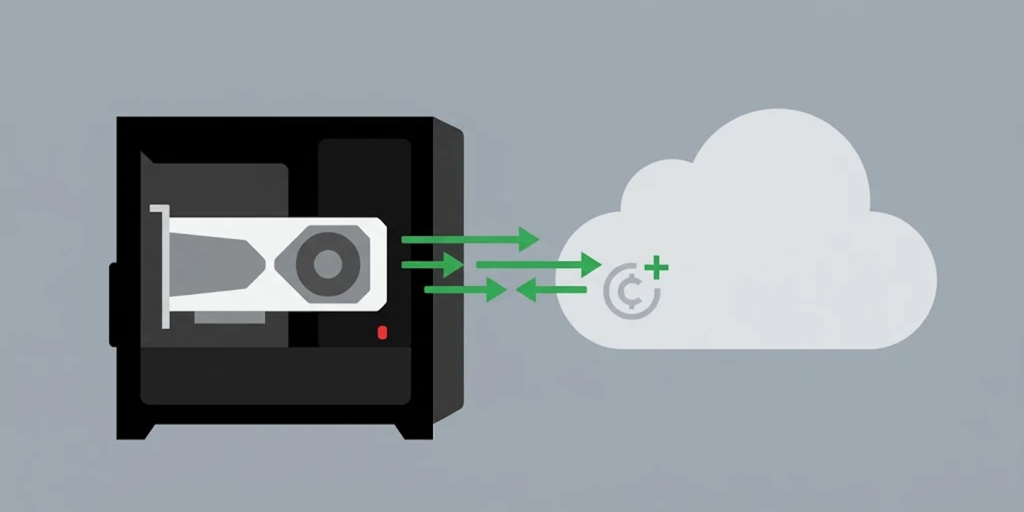
Microsoft recently filed a new patent that could let PC gamers earn rewards. The proposed system allows computer owners to share their unused graphics card power with artificial intelligence companies. Users can contribute this spare computing energy whenever they are not playing games.
The leading technology company hopes to convert inactive computers in homes into assets for building intelligent software. Gamers willing to join the scheme can receive digital points for helping use their equipment. They can exchange these digital points when the scheme ends for cash, programs, and access to updated artificial intelligence applications.
How the GPU Sharing System Works
Artificial intelligence companies need massive amounts of computing power to build and train new models. Traditional data centers often struggle to keep up with this growing global demand. Microsoft wants to solve this shortage by tapping into millions of powerful gaming computers sitting idle at home.
Graphics cards handle many small math problems at the exact same time. That same skill makes them great for running modern video games and training smart software. By linking thousands of home computers together, companies can create a massive virtual supercomputer.
In addition, this patented program divides large AI training projects into small pockets of computing tasks. The platform sends the small tasks to private computers, laptops, and devices that are capable of working in the network. Each computer performs its own small part of work and returns the outcomes back to central servers.
Furthermore, users must indicate their choice to participate in a sharing network before the process commences. The software will not function on a computer without the user agreeing to be active in the network.
When the users provide consent for the GPU sharing system to work, it checks what graphics card is on each computer. Afterwards, it assigns small tasks that match the exact strength and speed of that computer to it.
Protecting Your Computer While Gaming
A lot of gamers fear that the programs running in the background could hinder their favorite video gameplay. Microsoft has developed the system so that it would not interfere with the gaming process. This software constantly measures the temperature, power, and memory usage of the graphics card.
As a result, the system stops the workload of the AI as soon as the player runs the computer game. It also stops working if the computer gets too hot or uses too much electricity. This smart monitoring protects the hardware from overheating or wearing out too fast.
Most gamers do not shut down their computers, but leave them on overnight to complete downloading large gaming updates. While there is nothing going on, the graphics card is not active. Therefore, Microsoft could utilize such time to perform AI-related tasks while the user is sleeping.
In addition, the platform checks the PC less frequently while the user is busy. In case a gamer needs all the graphics power, the AI task stops working immediately. This ensures smooth frame rates and a great gaming experience at all times.
The system also cross-checks finished work across different computers to catch errors – this step stops people from cheating the system or sending back broken data. Reliable results keep the AI training process accurate and trustworthy for paying companies.
Rewards and What Gamers Could Earn
Contributing spare computer power takes effort and electricity, so Microsoft plans to reward participants. Users earn digital credits based on how much computing work their graphics cards complete. The patent outlines a method through which players can exchange their earned credits for real currency.
Moreover, it mentions the possibility of using credits to obtain free software or subscription related to online platforms. At the same time, there will be an opportunity to access various AI tools and technologies using credits. These flexible rewards could help players offset the high cost of buying expensive computer parts.
Meanwhile, the document does not indicate the rate of payments through the mentioned scheme. Moreover, it does not state which graphic card models will function on the network. It is logical to assume that the newer graphic cards will complete tasks faster than the older models.
Casual players who use their average laptops may earn less than hardcore players who possess high-performance computers. Users will likely compare potential earnings against their home electricity bills before joining.
Future Outlook for Crowdsourced AI
Currently, this concept is just a patent application. Microsoft filed the patent in April 2025, and officials published it in November 2026. Big companies register lots of patents that never become real products and services for consumers.
As a result, Microsoft has yet to reveal the expected release date for Windows and Xbox users. However, the application allows users to understand how tech companies intend to solve hardware shortage problems. Other major tech companies pointed out that a large number of home computer components are simply lying idle most of the time. Using this idle resource can help to avoid the need for huge power-consuming data processing facilities.
The growing demand for computing infrastructure has also drawn attention from lawmakers. California, for example, has passed seven new laws addressing data centers’ electricity and water consumption, as our report on California’s new laws regulating data center power and water use.
At the same time, some people have trust issues when AI applications are running on their machines. Users are concerned about privacy and security. For that reason, Microsoft must gain the confidence of the users with clear rules before launching this service.
Finally, transforming idle gaming computers into a shared AI network may change the way companies develop technology. Ordinary users may start receiving money for their stagnating hardware in the near future. Gamers will watch closely to see if Microsoft brings this concept to life.