
- Twitch added a security toggle that lets creators prevent Amazon from using streams, VODs, clips, and chat logs for generative AI model training.
- Essential platform operations including AutoMod, recommendation engines, and viewer discovery tools continue processing content regardless of opt-out status.
- The feature relies on an opt-out design where account permissions stay enabled by default until a creator manually updates their privacy menu.
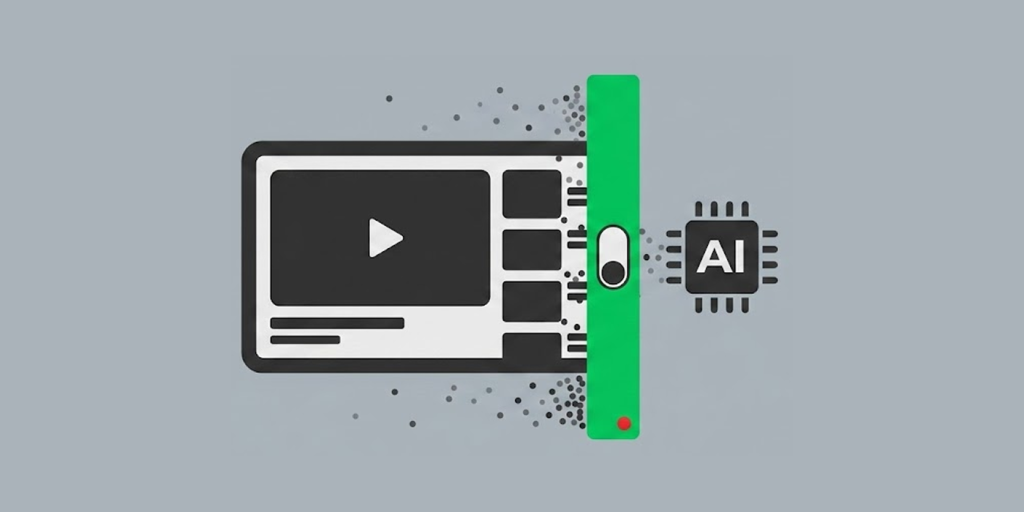
The popular streaming platform Twitch recently added a specific control to ensure the privacy of the content producers. The option allows users to stop Amazon from using the material of the channel to create data for generative AI systems. This provides streamers with the possibility to define the ways companies will use the material of their broadcasts for tech development.
Streamers can access this toggle directly within their account settings menu starting today. However, the platform created specific limits regarding what this feature actually protects.
Understanding What the Opt Out Toggle Protects
The fresh control panel option sits inside the security and privacy section of account settings. Users can locate the feature under the label designated for generative AI training.
Switching this setting off prevents corporate teams from pulling broadcasts, VODs, clips, and channel text for future artificial intelligence development. The system also stops engineers from using recorded stream chats to build next-generation text, video, image, or audio models.
Furthermore, platform documentation explains how leaving the option enabled impacts everyday site features. Allowing training permissions lets automated systems process broadcast voice lines to improve overall speech-to-text accuracy. Improved speech recognition helps generate accurate automatic captions for live channels.
That same processed audio also assists Amazon teams in refining captioning systems across other corporate products. Therefore, streamers must decide if sharing personal broadcast data provides enough mutual benefit. Turning off the toggle establishes a firm line against future synthetic content creation using personal creator archives.
The broader AI industry is facing similar questions about unauthorized use of content; Anthropic recently accused Alibaba of operating nearly 25,000 fraudulent accounts to generate 28.8 million exchanges with Claude in what it called the “largest known distillation attack,” using a technique that trains a less capable model on a stronger one’s outputs to replicate capabilities without bearing the R&D costs.
Platform Tools that Keep Processing Content
The new account switch applies strictly to generative models that construct fresh material. Consequently, essential site operations continue analyzing channel activity even after a user disables training permissions.
Automated tools for community protection like AutoMod process live text regardless of account preferences. Broadcaster growth tools and personalized recommendation algorithms also maintain standard data access to keep site features functioning smoothly.
According to Twitch, the primary safety programs work in real time, meaning that they will analyze the transmitted data instantly rather than keeping copies for future projects. Safety systems that operate in real time will review the messages immediately, so that all channels can comply with the standards of the community. The disabling tool for the security systems for separate users will reduce the level of all security of viewers on Twitch.
At the same time, the streamers possess separate privacy settings for their basic channel settings, such as automated captions, as well as the sensitivity level of AutoMod. Knowing where these limits are located helps the creators of the channels to have good control of their channels and still protect their private content.
Default Settings and Shared Channel Rules
The design of this privacy feature places the responsibility entirely on individual users. Accounts that never visit the privacy menu automatically permit corporate systems to gather channel data for model training. The platform created the system with default permissions turned on. Creators who want extra protection must manually navigate through account pages to change their preferences.
In addition, chat messages follow the preferences set by the channel owner rather than individual audience members. Viewers who post comments in a chat box inherit the privacy status chosen by the broadcaster.
An audience member who opts out personally still leaves chat data exposed when visiting a channel that keeps training enabled. That structure means individual viewers cannot independently withdraw their chat logs on public streams.
Moreover, corporate privacy terms updated earlier this year allow seamless data sharing across both Twitch and Amazon product teams.
Unresolved Questions Regarding Older Material
The written policy leaves several operational details unaddressed for active broadcasters. Official account guides frame the training block around future model development cycles.
The documentation does not explain how technical teams handle channel material gathered prior to this update. Streamers currently lack information about whether past training datasets will purge previously collected broadcasts.
There is no internal verification capability available that can validate whether or not technical systems successfully eliminated specific archive channels. The platform does not offer any automated system logging or download reporting after the users flip the switch. The creators must use written documentation as the only formal policy concerning data usage restrictions.
Despite these pending technical questions, the new switch shows users how to avoid future generative training. Broadcasters can check their privacy settings today and determine their individual account usage limits.