
- Paymium confirmed that its Brevo account was among 138 company accounts accessed during a security incident at the email provider.
- Exposed information may include names, email addresses, phone numbers, dates of birth, account identifiers and countries of residence.
- Paymium said passwords, API keys, wallets, portfolio data, tax information and customer assets were not accessed.
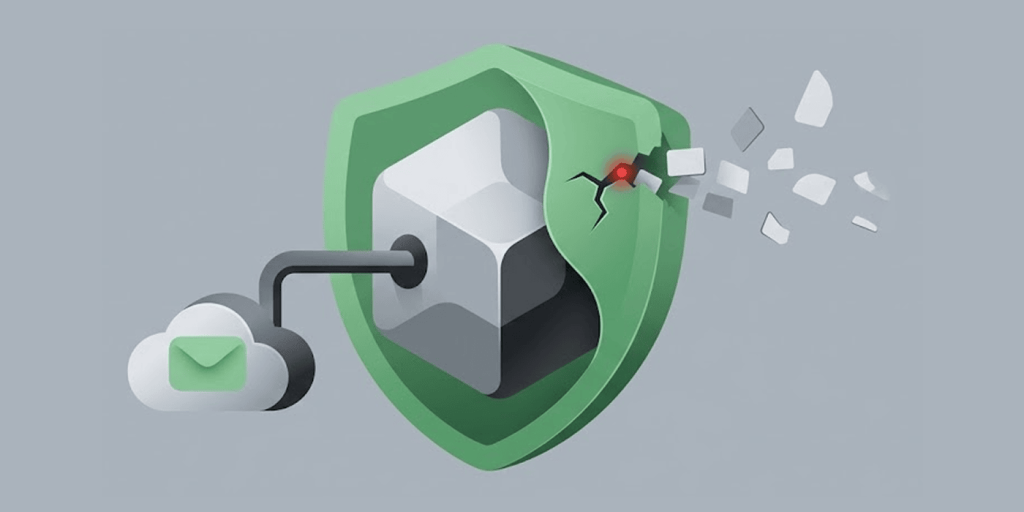
Paymium has recently revealed that it suffered the exposure of some customer personal data via a security incident involving its external email provider, Brevo. The French cryptocurrency platform noted that the breach did not affect its own systems or customer assets.
Brevo discovered that a threat actor penetrated its system to gain unauthorized actor access to 138 company accounts. The account of Paymium was among those affected, raising concerns about possible phishing and social engineering attempts against its users.
How the Breach Affected Paymium
The incident happened within Brevo, which Paymium uses to handle some email communications. The service provider discovered the attacker breached its system and compromised 138 customer accounts, along with the network related to Paymium.
According to Paymium, although the hacker managed to compromise the service, there was no access to its own systems. This means the incident does not expose customer assets, wallet information, passwords or API codes.
The company also reported that it had no knowledge of fraudulent or malicious emails sent from its Brevo account. This limits one possible route for attackers to contact customers through the compromised service.
However, the exposure still creates a security concern. Breached contact data can help criminals build messages that look more believable to their targets.
Personal Data the Breach May Have Exposed
Paymium said some personal and contact information connected to users may have been viewed during the incident. The exposed categories include email addresses, Paymium account identifiers, names and first names.
The data may also include dates of birth, telephone numbers and countries of residence. However, Paymium has not stated the exact number of customers whose information may have been exposed. The company said the affected Brevo environment does not contain passwords or API keys. It also does not hold information linked to customer portfolios or tax situations of users.
This distinction matters because Paymium operates in the cryptocurrency sector. Access to passwords, API keys or wallet information could create a direct route to customer accounts or digital assets. Paymium said no such access occurred in this incident.
The company therefore separates the exposure of personal data from a compromise of its core systems. At this stage, the available information points to a data exposure through an external service provider rather than a direct breach of the infrastructure of Paymium.
Why the Exposed Data Could Still Create Risks
The exposed information may appear less sensitive than passwords or wallet keys. However, a combination of personal details can give criminals useful information for targeted fraud. A similar concern emerged in the SafePal data breach exposes personal information of nearly 40,000 customers, where exposed customer information raised concerns about potential misuse and targeted scams.
A scammer who is aware of the name, phone number, and email of an individual, for instance, could easily send them a message about a cryptocurrency operation. Moreover, the hacker might also use other information such as the birthdate and residence of the individual to make the communication look even more convincing.
Knowing that the individual in question is also a user of Paymium only adds to the chances of deception. The fraudster may impersonate the company in an attempt to get from the victim their credentials or other confidential information.
Users should therefore treat unexpected emails, SMS messages and calls about Paymium with caution. They should also avoid sharing passwords, verification codes, or other confidential information with anyone claiming to offer account support.
What Paymium Users Should Watch For
Paymium users must be cautious of messages requesting immediate actions or pressuring them. Whether a message is an appeal for verifying account details, transferring cryptocurrency, or requesting credentials, users must carefully scrutinize the message.
Rather than following an included link in the suspicious message, users must first visit the official Paymium website. They can then check their account or contact the company through its recognised support channels.
The CNIL also advises utilizing strong and unique passwords for online accounts. Users must enable multi-factor authentication if it is available to enhance security.
The breach also shows why third-party providers matter in cybersecurity. A company can protect its main systems, but may still face risks through services that handle customer communications or other business functions.
Paymium has not disclosed the exact number of affected customers. It has also not reported any compromise of passwords, API keys, portfolios, tax information or customer assets. For now, the main concern remains the possible misuse of exposed personal data. In addition, affected users should watch for unusual calls or messages that mention personal details.
The incident highlights the need for users to verify unexpected requests through official channels. It also shows that a data breach does not need to expose passwords or wallets to create a serious phishing risk. As investigations continue, any new information about affected users could clarify the wider impact.