
- Gov. Gavin Newsom signed seven new data center laws on September 21, 2026.
- The laws stop data centers from pushing power and water costs onto everyday customers.
- Local governments now get more facts and more say before new data centers get approved.
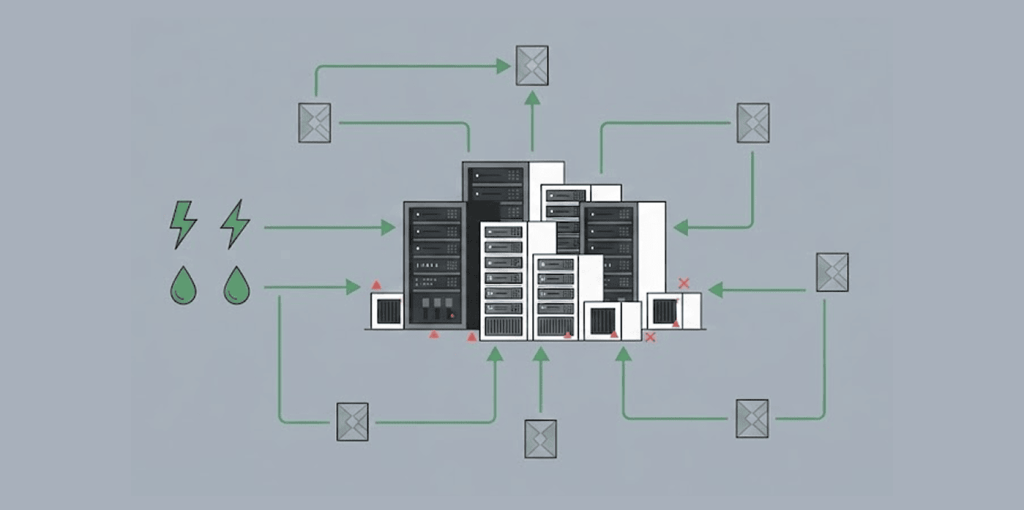
California just changed the rules for big data centers. Gov. Gavin Newsom signed seven new laws on September 21, 2026. The laws control how these huge computer facilities use electricity, water and land.
Data centers keep growing fast across the state. Artificial intelligence companies need more and more computing power to run their tools. That growth pushes up demand for electricity and water in nearby communities.
The new laws try to manage the side effects of that growth. They make data centers cover more of their own costs. They stop those companies from leaning on regular electricity customers, according to Reuters.
New Rules Target Data Center Power Costs
Electricity sits at the center of the new rules. Data centers use huge amounts of power every day. Connecting a new facility to the grid often means building new power lines. It can also mean building new power plants nearby.
Under the new laws, data centers can no longer push those extra costs onto other customers. The California Public Utilities Commission will set new rules and rate structures just for data centers. Companies that need grid upgrades to power their facilities must pay for those upgrades themselves.
California’s Energy Commission expects data center electricity use to rise sharply over the next ten years. Right now, data centers use about 2% of the state’s electricity, according to the Los Angeles Times.
That number sounds small today, but it keeps climbing fast. The new rules aim to control it before it becomes a heavier burden on families and small businesses. Lawmakers say the goal is fairness, not punishment for the industry.
Water Use and Local Voice Get Stronger Protection
Electricity isn’t the only resource under review here. Two of the seven laws focus directly on water use. Data center developers must now share how much water their projects will use. They also have to name where that water will come from. Projects that need upgrades to local water systems must pay for those upgrades too.
The laws also require water assessments before any approval happens. Developers must include drought planning information as part of that review. This gives cities and counties clearer facts before they say yes to a new project.
Communities also get a stronger voice overall. The new rules increase transparency around proposed data centers near them. Developers must report details about power use, efficiency, and other resources they’ll need, according to the Governor’s office.
Microsoft is also making changes across its software ecosystem, including Microsoft pushing Bing with new Windows 11 app that changes browser search settings, which covers a new Windows 11 app that changes browser search settings.
That extra information helps local officials plan ahead. It also helps residents understand what a new facility could really cost their community before construction even starts.
Industry Groups Push Back Against the New Rules
Not everyone welcomes this change, though. The seven new laws include AB 1577, AB 2383, AB 2469, AB 2619, SB 886, SB 887 and SB 1168. Together, they cover electricity costs, water disclosures, infrastructure spending, and environmental review, according to the Governor’s office.
The Data Center Coalition represents companies in this industry. The group spoke out against the legislation. It warns the new requirements could make California a tougher place to build data centers, according to the Los Angeles Times.
Even so, it would be misleading to say California made data centers “pay for absolutely everything.” The laws target specific costs only. They require specific disclosures and specific protections. They don’t force every operator to cover every single cost tied to their presence in the state.
CalMatters and Smart Cities Dive both note that local governments stand to gain the most power here. Cities and counties can now demand more proof before signing off on new projects.
For everyday Californians, the change means new data center projects will face closer review. Regulators will look harder at who actually pays for the power and water these facilities need to run.
For developers, the new rules likely mean higher costs and more paperwork ahead. Building a data center in California just got more complicated than before.
The seven new laws mark one of the biggest shifts yet in how any state handles the rapid growth of data centers. Other states may now watch closely, according to The Verge, to see how California’s approach plays out over time. For now, one thing is clear. Data centers in California will no longer expand quietly at everyone else’s expense.