
- TON-based marketplace Fragment of Telegram vanished from Google search results, with direct site queries returning zero indexed pages.
- The platform remains fully functional via direct URLs and alternative search engines, indicating an isolated Google indexing event rather than a network outage.
- Neither Google nor Telegram has confirmed a manual action, legal removal, or policy penalty, leaving technical crawling bugs or algorithmic updates as primary factors.
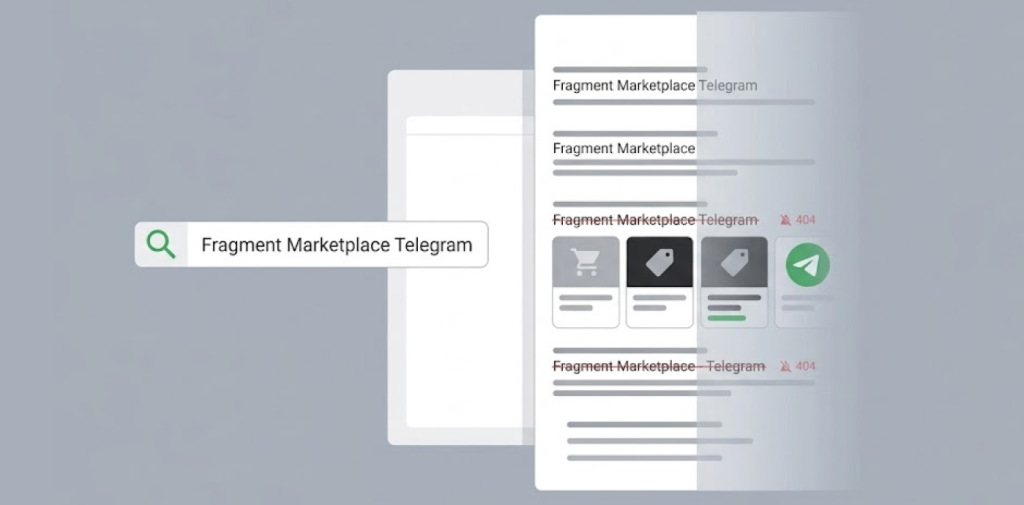
The primary web domain for Fragment, the decentralized marketplace linked to Telegram, has vanished from Google search engine query results. Internet users discovered the visibility issue when direct targeted queries returned zero indexed web pages.
Though it is no longer an indexed access option in Google search engine results pages, the website is completely operational. Also, it is available via direct web browser traffic or alternative secondary search engines. Experts from the industry are currently observing the case to assess whether this drop of the index occurred due to some technical problems or state regulation implications.
Targeted Search Queries Confirm Domain Deindexing Event
Digital analysts verified the index removal by running standard site-specific search queries across Google systems. Executing the specialized site filter string returned zero matching documents from the index database. Consequently, millions of web users can no longer discover the domain using routine keyword lookups.
Nonetheless, other search engines still work properly and index the URLs of the platform. Users can also connect directly to the platform without experiencing any delay or connection problems. Hence, the reason for the loss of visibility is solely the routing of search engines rather than any physical server failure.
In addition, the platform is able to process digital asset transactions worth millions of dollars through The Open Network. The users sell and buy some verified Telegram usernames, premium services, and channel assets using the service without any danger. Thus, the loss of organic search visibility means an instant hitch in operations for buyers across the globe.
Lack of Official Statements Regarding Manual Action or Penalties
Search specialists warn regarding the fact that direct index deletions do not mean intentional platform censorship or law enforcement operations have taken place. Google has transparent public warning systems about all the manual security actions and legal removals. However, the company has not warned publicly about copyright violations, threats of malware, or illegal domain removal.
Moreover, top executives of Telegram have not issued any official press releases providing information about the sudden disappearance of the web search engine. Also, the company has not revealed if there were changes in the coding of the website or released any internal directives. This means that the problem relates to indexing glitch, but not with a policy enforcement action.
At the same time, web developers can often cause unintentional deindexing of websites due to wrong software updates or mistakes in their files. Improperly configured robots.txt files or canonical redirects can lead to unexpected commands to search engines.
Also, they can cause the removal of indexation from the database. Hence, the work of technical specialists includes making sure that every configuration on the website servers is done correctly.
Search Engine Volatility and Technical Indexing Anomalies
The vanishing event takes place amid global uncertainty in the indexing and ranking systems of search engines. According to specialists, several different independent commercial websites have already encountered a sudden drop of their indexing before getting back to their previous states on their own. Such temporary technical glitches typically take place after an update of the main search engine or other algorithmic updates that deal with spams.
Moreover, search engines periodically get rid of substandard websites, duplicate asset listings, and pages with undesirable content. Since the marketplace hosts millions of similar asset listing pages, automated crawling algorithms might flag database URLs as repetitive. However, algorithmic filters typically target individual subpages rather than removing complete domain roots.
Apart from algorithmic issues, cybersecurity specialists are concerned with manipulation of the domains and exploitation of the web by third parties. Sometimes, attackers also implement spam redirections and hidden codes to trigger the automated search engine safety mechanisms.
A loss in search visibility reflects some major weaknesses of Web3 projects that depend on centralized points of web access. On blockchains, it is smart contracts that perform transactions independently. But mass end-users are still entering crypto trading platforms via conventional mediums of search. Therefore, unexpected losses in visibility can damage the flow of users and decrease trading activity on secondary markets.
Telegram has also explored alternative approaches to web access through its domain infrastructure. The company has applied for the .gram domain, a move that could give users their own Telegram-linked web addresses and create another way to reach services beyond conventional search results.
Also, con artists take advantage of the moment when genuine trading websites cease to operate on search engine results pages. They register similar domain names and distribute phishing links to unsuspecting Web3 users. Thus, experts in the cybersecurity sphere recommend that users always check the URLs in official sources before connecting their wallets.