
- THORChain 3.20 moves Monero and Zcash closer to native swaps with major crypto assets.
- Monero support will roll out in stages as liquidity grows and node operators test the new system.
- Among other things, the upgrade introduces Protocol-Owned Liquidity, Stable Reserve, and several security patches.
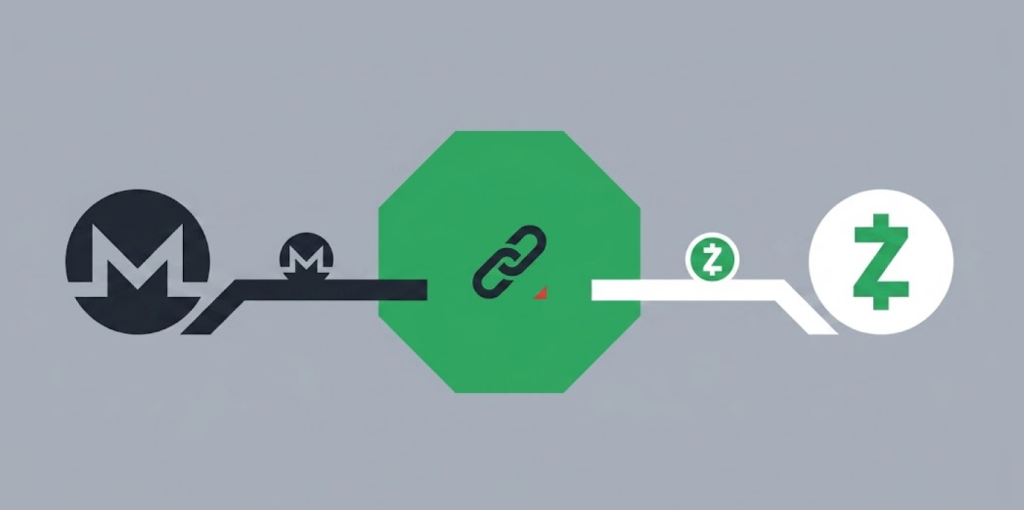
THORChain is expanding support for privacy coins through the release of version 3.20. The upgrade to v3.20 is a big step towards the native trading of Monero (XMR) and Zcash (ZEC). It prepares THORChain for connecting XMR and ZEC with Bitcoin (BTC).
THORChain 3.20 will also establish links to ETH and stablecoins. Users will not need wrapped versions of the privacy coins for these native swaps. They also will not need to send funds to a centralized exchange.
There is one important detail. The rollout is not fully live for every user yet. THORChain says Monero will launch gradually as liquidity grows. Node operators will also test and watch the new system before it expands.
Zcash is earlier in the process. THORChain says version 3.20 brings Zcash one step closer to launch. So the claim that both coins have fully launched native swaps goes too far.
Why the Monero Upgrade Matters
Monero users have faced fewer options on centralized exchanges. Some large trading platforms have removed XMR. Others have limited access to it in some markets. That can make it harder to move between Monero and other major crypto assets. Users may need a central service.
The pressure on centralized exchanges to delist privacy coins has been amplified by the surge in AI-powered cybercrime. Interpol has stated that generative AI makes fraud operations 4.5 times more profitable, with phishing and social engineering scams becoming more convincing and harder to detect.
THORChain offers another route. Its network can swap native assets. It can do this across different blockchains. Users can keep control of their funds instead of placing them with an exchange.
The model also avoids wrapped versions of assets. A wrapped coin represents an asset from one network on another network. That extra layer can add more trust or risk. THORChain aims to remove that step where its network supports an asset natively.
Monero Needs a Careful Rollout
Adding Monero is not a simple chain integration. Monero uses a different transaction model from many networks that THORChain already supports. THORChain says version 3.20 includes fixes for Monero key generation, signing, vault rotation, transaction tracking and recovery.
The network also uses FROST signing for Monero. In simple terms, several nodes help sign a transaction. No single node holds the full key. THORChain says the Monero rollout will happen over time. This gives node operators room to test the signing system and watch for problems as liquidity grows.
The project added the first Monero foundations in version 3.19. The new release adds more work needed to move the integration toward activation.
Zcash is Also Moving Forward
THORChain has updated its Zcash client for the network’s NU6.3, or Ironwood, upgrade. The change adds the new consensus branch used after the Zcash upgrade. It also updates THORChain’s Zcash test environment.
THORChain says Zcash is expected to be its next chain integration. Version 3.20 is a major step, but the network has not presented ZEC as a fully active swap market yet.
The timing is important for THORChain. The network spent part of 2026 working on security and recovery after earlier problems. Version 3.20 focuses on normal operations while adding new features. The project is treating the rollout with care.
The Upgrade is more than an Expansion for Privacy Coins
Version 3.20 also changes how THORChain manages liquidity. The upgrade makes Protocol-Owned Liquidity operational. The system can direct part of THORChain’s income into a reserve. It can then use that reserve to add RUNE liquidity to selected pools.
Two controls manage the system. One sets the share of system income sent to the reserve. The other sets which pools can receive that liquidity. The upgrade also adds an experimental Stable Reserve. Eligible stablecoins can trade against stablecoins held by the protocol. They do not need to use normal RUNE-based pools.
When enough inventory is available, the reserve can fill an eligible stablecoin swap at a 1:1 rate with no liquidity fee or price slip. Normal network fees still apply. The Stable Reserve ships disabled by default and can be activated gradually after testing.
Other Changes in THORChain v3.20
The upgrade also prepares Base, Solana and BNB trading to resume. Those chains had stayed halted while THORChain worked through chain, solvency and security issues. THORChain says trading will return progressively after the upgrade.
Version 3.20 also extends Memoless Swaps to ERC-20 tokens. This can remove a step for some swaps. A wallet or service may not need to add a THORChain memo.
It also adds security improvements. TSS keyshare files are now encrypted while stored on disk. THORChain also improves validator seed phrase handling. It also improves signing-session recovery.
A Significant but Staged Upgrade
THORChain 3.20 is a major step for crypto trading. It covers privacy-focused coins and major crypto networks. Its biggest headline is Monero. The upgrade puts XMR on track to become part of the native swaps with BTC, ETH and stablecoins.
But the timing needs care. Monero support is rolling out in stages, while Zcash remains one step closer to launch. For privacy-coin users, the direction is clear. THORChain is building another path between XMR, ZEC and the wider crypto market. It keeps native assets and self-custody at the center.