
- The customers of Trump Mobile discovered they could view strangers’ account details through the company’s online portal, which includes names, phone numbers, email addresses, physical addresses, and partial payment information.
- The conservative wireless carrier has not disclosed how many customers were affected or issued a detailed public statement about the cause of the data exposure and planned fixes.
- Security experts urge affected customers to monitor accounts for fraud and remain cautious of phishing attempts – as leaked data can fuel identity theft and follow-on attacks.
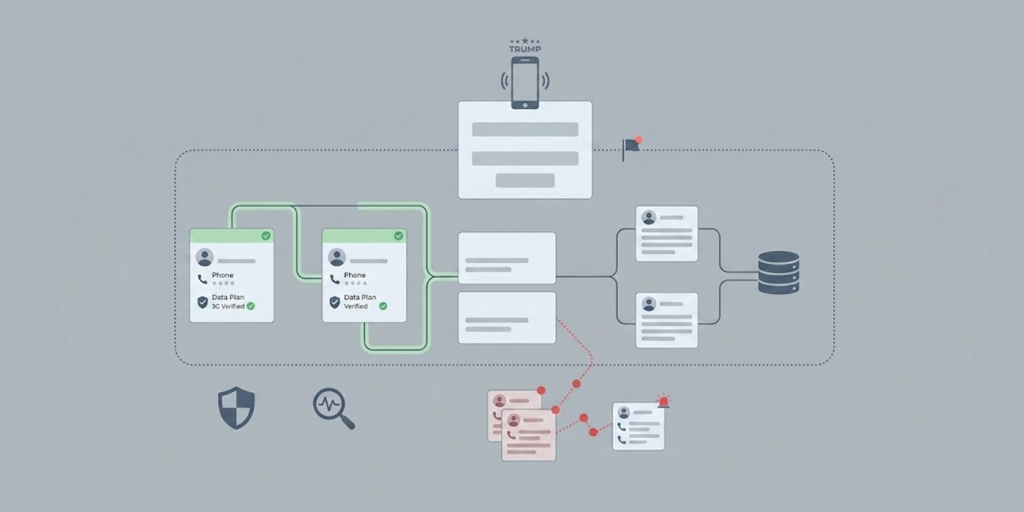
Customers of Trump Mobile have reported that the conservative wireless service is exposing their personal information. Several users discovered they could access other customers’ account details through the company’s online portal.
The compromised records have included consumers’ names, telephone numbers, e-mail addresses, home addresses, and incomplete payment data. Customers also reported that after they logged into their system, they could access the order histories and account dashboard of unknown account holders.
The extent of the exposed data is uncertain, but the affected consumers have raised concerns regarding the company’s lack of proper data security and have been very critical about the incident.
Trump Mobile was established as a conservative homologous replacement to the current leading providers in wireless telecommunications. The company has positioned itself as a provider of a telecommunication network that focuses on promoting and supporting like-minded freedom-loving Americans.
However, given the data breach incident that took place, many raise questions regarding the company’s ability to protect customer data from unauthorized access.
Customers Discovered They Could View Strangers’ Accounts
Many Trump Mobile customers took to social media to share their terrifying experiences of discovering they could see other customer accounts. One customer shared that after logging into the Trump Mobile dashboard, the screen displayed another customer account information. This included the stranger’s name, phone number, email address, and home address and there was no verification needed to see this information.
Another customer found that their Trump Mobile account showed them the order history and account details of other customers. The information available to them included partial credit card numbers which would put their information at a higher risk for fraud. Multiple customers reported they could see the issue on different browsers and devices.
Security researchers indicated that an issue with either session management or user authentication probably caused the data exposure. Also, it could be a failure of proper isolation between customer accounts from other customers’ accounts in the system. Such a type of data exposure was likely due to a vulnerability known as Insecure Direct Object Reference, which allows an attacker to manipulate identifiers to gain access to unapproved information.
The company has not provided the number of affected subscribers; however, many customers were unhappy that they found out about the issue on the internet before their provider, Trump Mobile, notified them.
Wireless Carrier Marketed to Conservative Customers Faces Backlash
Trump Mobile positions itself as the wireless carrier for supporters of former President Donald Trump. The service emphasizes American values and freedom from what it calls ‘woke’ corporate policies; however, this security breach contradicts the company’s promises of protecting its customers.
The incident has sparked criticism from privacy advocates and security experts, who argue that political marketing does not excuse poor data protection practices. Customers who joined the service expecting better security now find their personal information at risk.
Some affected users reported canceling their Trump Mobile subscriptions following the discovery. Others expressed disappointment that a company built on trust would fail to safeguard basic customer data. The backlash highlights how security lapses can undermine brand loyalty, especially for businesses that market themselves as trustworthy alternatives.
Security Experts Warn of Identity Theft and Phishing Risks
Experts in the cybersecurity landscape note that the risk is extremely high for all affected persons in leaked customer records from Trump Mobile. If criminals have the name, phone number, email address, and home address of a victim, then they can use this information to commit identity fraud.
Additionally, criminals could send phishing emails that appear legitimate, targeting customers of Trump Mobile because of the information they retrieved from the data breach.
Information on partial payment methods, such as a credit card number, helps to establish the financial profile of a potential target. Criminals often use multiple sources of stolen data to create an entire profile of a victim and, therefore, the Trump Mobile customer records can add to databases of previously stolen data already available via the dark web.
Affected customers should take several protective steps immediately. Users should monitor their bank accounts and credit reports for unauthorized activity. Placing a fraud alert or credit freeze with major credit bureaus adds another layer of defense.
Customers should also be especially cautious of unsolicited calls, texts, or emails claiming to come from Trump Mobile. Attackers often use recent data breaches to make their phishing attempts appear legitimate – so they should verify any account-related communications through official channels to prevent falling victim to follow-on scams.
Similarly, Microsoft users receiving unsolicited one-time passcodes should never enter those codes unless they personally triggered the request, a reminder that vigilance is key across all platforms.
Security researchers recommend that Trump Mobile conduct a thorough forensic investigation. Also, the company should notify all affected customers and offer credit monitoring services; failure to handle the incident properly could result in regulatory action and class-action lawsuits.