
- Malaysia’s communications regulator will enforce new child protection rules on online platforms starting June 1.
- Online service providers must block users under 16 from registering accounts and strengthen content governance across their services.
- The government also plans to roll out age verification for all users later this year, joining a growing global effort to protect minors online.
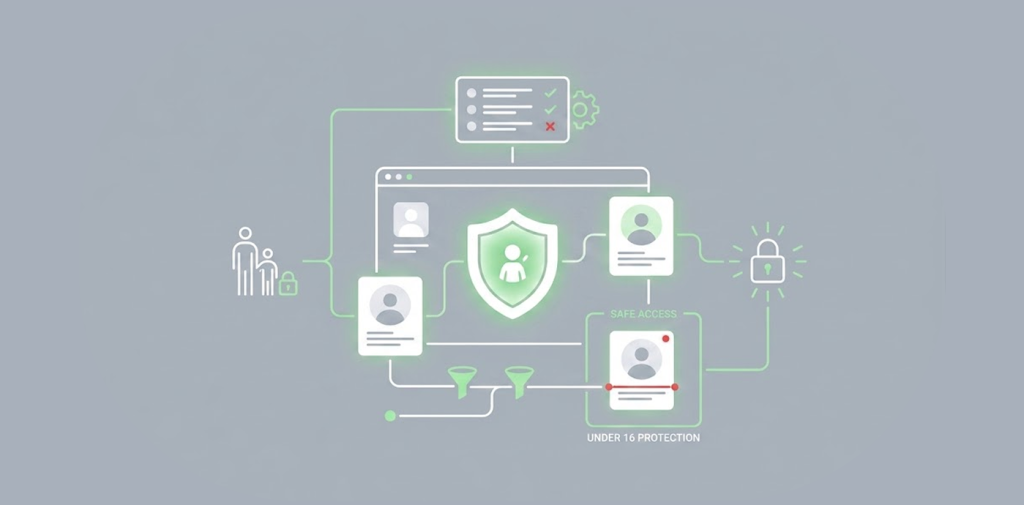
Malaysia is tightening its grip on online platforms. The country’s communications regulator just announced a set of rules taking effect on June 1, requiring online service providers to do far more to protect children from harmful digital content.
The Malaysian Communications and Multimedia Commission (MCMC) released the announcement on Friday. The rules target a well-documented problem, children accessing online platforms without adequate guardrails, and platforms doing very little to stop it.
Malaysia Moves to Lock Minors Out of Online Platforms
The new rules place clear obligations on online service providers. They must build safeguards that restrict account registration and ownership for users below the age of 16. Platforms must also enforce stronger content governance across their services to limit exposure to material the government considers harmful.
According to the MCMC, the measures aim to deliver age-appropriate protections and tighter restrictions on high-risk features that online platforms currently offer without meaningful controls.
The commission also requires platforms to maintain functional reporting and response systems, verify their advertisers, and label manipulated or synthetic content wherever relevant. These are not suggestions. Platforms operating in Malaysia will need to comply.
A grace period will give online providers time to implement the changes. The MCMC did not specify how long that window will last.
Why Malaysia is Cracking Down Now
Malaysia did not arrive at this decision overnight. In recent years, the country has intensified its scrutiny of social media companies after recording a sharp increase in harmful online content circulating across platforms.
Malaysian authorities classify several categories of content as harmful: online gambling, scams, child pornography and grooming, cyberbullying, and content targeting race, religion, and the country’s royalty. The breadth of that list reflects how serious the problem has become.
Children sit at the center of these concerns. Grooming, in particular, represents one of the most urgent threats. Predators use online platforms to build trust with minors, often long before parents or guardians notice anything is wrong. Weak age controls on platforms make this easier.
The government’s move follows a pattern playing out across the world. Countries including Australia, the United Kingdom, and several in the European Union have all moved to restrict minor access to social media in recent years. Malaysia is now joining that effort directly.
Age Verification Comes Next
The June 1 rules are only part of the picture. The Malaysian government also plans to introduce age verification for platform users later this year. This would require individuals to confirm their age before accessing certain services, adding another layer of protection on top of the new account registration limits.
Age verification has become a flashpoint in global tech policy. Supporters argue it is the only reliable way to keep minors off platforms built for adults. Critics raise concerns about privacy and the collection of sensitive identity data. Malaysia will need to navigate both sides of that debate as it rolls out the system.
For now, the immediate focus stays on June 1. Online platforms operating in Malaysia will need to move quickly. The registration restrictions and content governance requirements are not optional, and the MCMC has made its position clear.
The broader message from Malaysian authorities is straightforward: online platforms carry a direct responsibility for the safety of the people using them, especially children. The government is no longer willing to leave that responsibility entirely to the companies themselves.
As the global conversation around child safety online grows louder, Malaysia’s new framework positions the country as an active participant rather than a bystander. The real test now falls on the platforms to comply, and on regulators to enforce it.
Online safety extends beyond child protection. AI-driven phishing attacks are making credential theft more effective, reminding us that protecting users of all ages requires constant vigilance against evolving threats.